
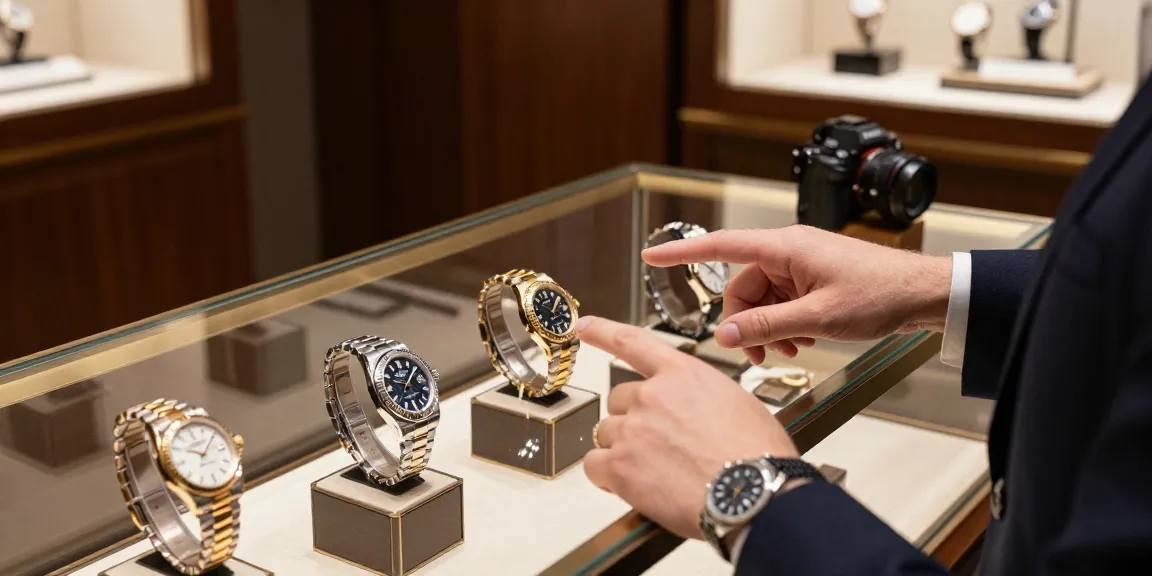
Understanding Clone Watches: What Sets Them Apart?
In a world where luxury and style often come with a hefty price tag, the emergence of clone watches has opened new avenues for watch enthusiasts. These intricate timepieces mimic high-end luxury brands with such precision that discerning their authenticity requires a trained eye. This article explores the nuances of clone watches, what distinguishes them from ordinary replicas, and how they fit into the evolving landscape of luxury timepieces.
Definition and Market Overview
Clone watches are high-quality replicas that strive to replicate the look, feel, and functionality of genuine luxury watches. Unlike traditional replicas, which may cut corners to save costs, clone watches incorporate advanced manufacturing techniques and materials to achieve a nearly identical appearance to their authentic counterparts. The popularity of clone watches has surged, especially among consumers who seek luxury without the exorbitant prices.
Key Features of High-Quality Clone Watches
Key characteristics of high-quality clone watches include:
- Swiss Movements: Many clone watches are powered by reliable Swiss movements, ensuring accuracy and longevity.
- Quality Materials: Premium materials such as stainless steel, sapphire glass, and high-grade leather are used to enhance durability and aesthetics.
- Attention to Detail: From the intricate engravings to the weight and finish, quality clone watches focus on delivering an authentic experience.
Differences Between Clone Watches and Standard Replicas
While all clone watches are replicas, not all replicas qualify as clones. The primary differences include:
- Quality Control: Clone watches undergo rigorous quality checks before reaching customers, while standard replicas often lack such scrutiny.
- Movement Quality: Clone watches typically feature high-grade movements, often sourced from the same manufacturers as the originals, while standard replicas may use inferior movements.
- Pricing: Due to superior craftsmanship and materials, clone watches are usually priced higher than average replicas but remain significantly lower than authentic luxury timepieces.
Identifying Quality Clone Watches: What to Look For
To ensure a satisfactory purchase, buyers should be well-informed about what distinguishes quality clone watches. Understanding the core components and design elements can significantly impact your buying decision.
Movement and Mechanics: The Heart of the Watch
The movement of a watch is essentially its heart, influencing both accuracy and durability. Quality clone watches often use Swiss clone movements, which boast precision similar to authentic luxury watches. Look for details such as smooth sweeping seconds hands and reliable chronographs that enhance functionality.
Materials Used: The Importance of Durability
High-quality materials like 316L stainless steel and sapphire crystal are signs of a well-crafted clone watch. These materials not only enhance appearance but also contribute to the longevity of the timepiece. Additionally, IP vacuum plating provides a deeper color and finish that withstands wear over time.
Common Red Flags for Low-Quality Clone Watches
When shopping for clone watches, be wary of:
- Inconsistent branding and logos, which may indicate a lack of authenticity.
- Poor craftsmanship, such as visible seams or a flimsy feel.
- Unrealistically low prices that seem too good to be true.
Top Brands for Clone Watches in 2026
The landscape of clone watches is populated by several reputable brands that excel in crafting replicas of iconic luxury watches.
Rolex: The Benchmark for Excellence
Rolex clones are among the most sought after in the market, as the brand epitomizes luxury and precision. High-quality Rolex clone watches replicate the timeless designs and reliable movements that define the brand, making them an ideal choice for enthusiasts.
Audemars Piguet and Patek Philippe: Luxury Redefined
Audemars Piguet and Patek Philippe clone watches are revered for their craftsmanship and design complexity. These brands present unique challenges for manufacturers but also promise high rewards in terms of aesthetic appeal and luxury feel.
The Rise of Richard Mille and Modern Innovations
Richard Mille has rapidly gained popularity, and clones of these technologically advanced designs showcase the innovation and creativity that the brand represents. Buyers are drawn to the bold aesthetics and technical achievements these replicas embody.
Buying Clone Watches: A Comprehensive Guide
Acquiring a clone watch involves more than just clicking ‘buy.’ Knowledge of where to shop, what to look for, and the importance of customer service is crucial for a satisfactory purchase.
Where to Buy: Trusted Retailers vs. Online Platforms
It’s essential to purchase from trusted retailers or established online platforms specializing in clone watches. Doing thorough research on the seller’s reputation and reading customer reviews can help ensure a positive experience. Additionally, reputable retailers often provide warranties and return policies that enhance buyer confidence.
Understanding Payment Methods and Security
When buying online, ensure that the payment methods offered are secure. Look for sites that accept credit cards or trusted payment services that provide buyer protection. This added layer of security can save you from potential fraud.
Return Policies and Customer Support Considerations
Before purchasing, familiarize yourself with the retailer’s return policy. A well-defined return policy indicates trust in the product quality. Moreover, efficient customer support can resolve potential issues swiftly, contributing to a better overall buying experience.
Future Trends in Clone Watches: What to Expect?
The clone watch industry is poised for significant changes as technology advances. Staying ahead of the curve means understanding these trends.
Technological Advancements in Clone Watch Production
In 2026 and beyond, the introduction of improved manufacturing techniques and materials will likely lead to even higher-quality clone watches. Innovations in 3D printing and CNC machining will enable more intricate designs and reliable movements, paving the way for unprecedented accuracy and aesthetics.
Shifts in Consumer Preferences and Market Dynamics
As the luxury market transforms, consumer preferences are also evolving. There is an increasing demand for sustainability and ethical production, influencing how clone watches are made and marketed. Brands that adopt environmentally friendly practices will likely have a competitive edge.
Predictions for the Clone Watch Industry in 2026 and Beyond
With the rise of the clone watch phenomenon, it’s anticipated that more consumers will explore this market, leading to a broader acceptance of high-quality replicas. As education about clone watches increases, buyers will become more discerning, emphasizing quality, durability, and functionality.
Conclusion
In an era where luxury often feels out of reach, clone watches provide an appealing alternative. By understanding the distinctions between clone watches and standard replicas, recognizing quality indicators, and staying informed about market trends, buyers can make educated decisions that not only satisfy their aesthetic desires but also meet their practical needs. The future of the clone watch market looks bright, promising innovation and quality for discerning consumers.