
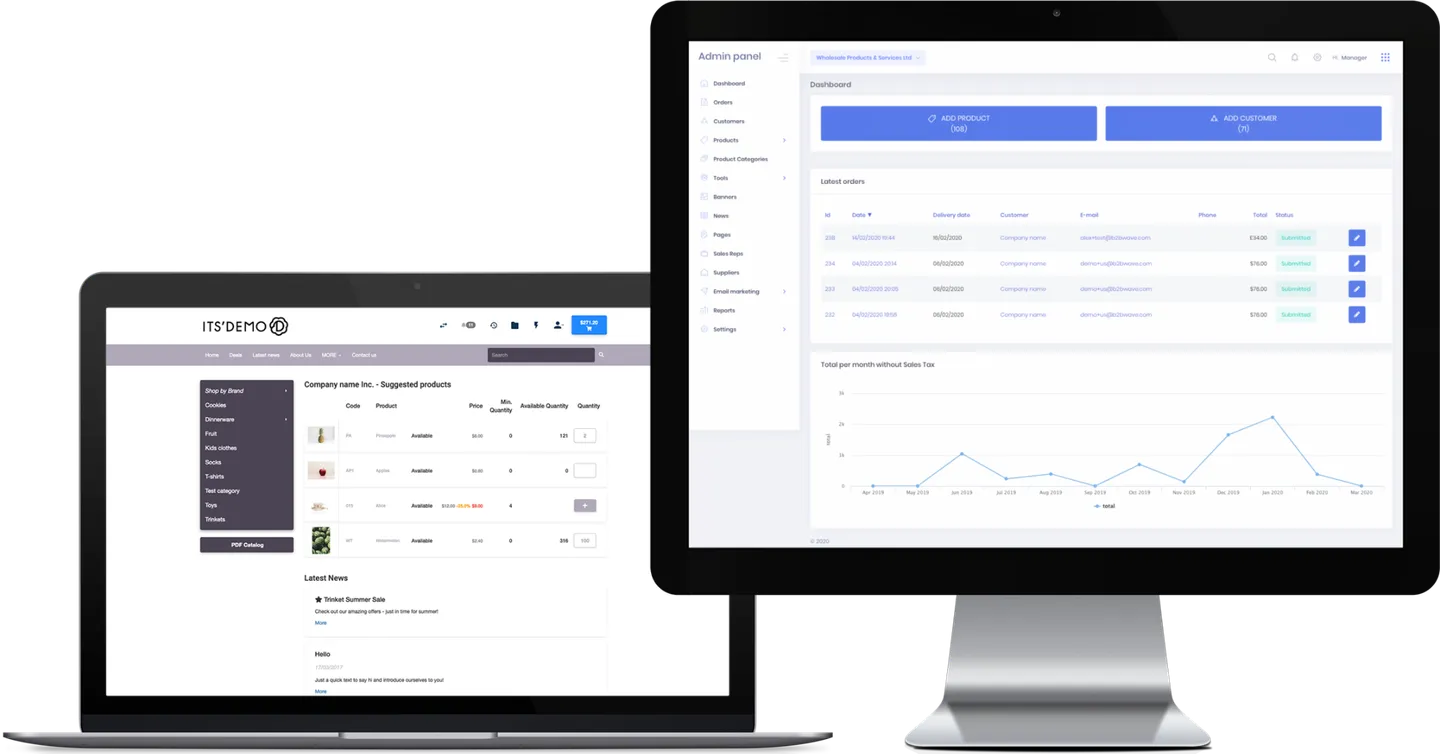
The retail industry is changing rapidly as businesses adopt digital tools to simplify purchasing, inventory management, communication, and supplier relationships. Traditional wholesale processes often depend on phone calls, emails, spreadsheets, and manual paperwork, which can make ordering slow and difficult to manage. Digital wholesale platforms are helping retailers and suppliers move these activities online, creating faster and more organized ways to manage business transactions. As technology continues to evolve, these platforms are becoming an important part of modern retail operations.
Understanding Digital Wholesale Platforms
A digital wholesale platform connects retailers with suppliers through an online environment where businesses can discover products, review pricing, place orders, and manage purchasing activities. Instead of relying entirely on traditional communication methods, buyers can access important information from a centralized system.
A b2b ordering platform can simplify the purchasing process by allowing businesses to place wholesale orders digitally. This can reduce manual work, improve order accuracy, and make communication between buyers and suppliers more efficient. For growing retailers, having a structured digital ordering system can make day-to-day purchasing easier to manage.
Faster and More Convenient Ordering
One of the biggest advantages of digital wholesale platforms is speed. Traditional wholesale ordering can involve multiple steps, including contacting suppliers, requesting product information, confirming prices, and manually entering orders.
Digital platforms can bring these activities together in one place. Retailers can browse available products, select quantities, review pricing, and submit orders online.
This convenience allows purchasing teams to spend less time on administrative tasks and more time focusing on customers, merchandising, and business growth.
Improving Order Accuracy
Manual order processing can lead to mistakes. Incorrect product numbers, quantities, prices, or delivery information can create unnecessary delays and additional costs.
Digital ordering systems can reduce these risks by allowing buyers to select products directly from organized catalogs. Product information and order details can be displayed clearly before an order is submitted.
Automated order confirmations can also give buyers and suppliers a shared record of what was requested, helping reduce misunderstandings.
Better Product Management
Retailers often manage large product catalogs with different variations, prices, and availability. Keeping this information organized can become challenging when businesses rely on spreadsheets or disconnected systems.
Digital wholesale platforms can centralize product information, making it easier for retailers to browse and manage products. Suppliers can also update product descriptions, pricing, and availability when necessary.
Having current information can help retailers make more informed purchasing decisions and reduce confusion during the ordering process.
Supporting Inventory Management
Inventory management is critical for modern retailers. Overstocking can tie up capital, while insufficient inventory can result in missed sales opportunities.
Digital wholesale systems can provide retailers with better visibility into purchasing activity and available products. Some platforms can also integrate with inventory management or business systems to help automate parts of the replenishment process.
Better purchasing visibility allows retailers to make decisions based on current business needs rather than relying entirely on manual records.
Strengthening Supplier Relationships
Strong relationships between retailers and suppliers are essential for successful wholesale operations. Digital platforms can improve communication by giving both parties access to organized order information.
Retailers can track orders and review purchasing history, while suppliers can receive structured order details and manage fulfillment more efficiently.
A transparent ordering process can help build trust and reduce disputes over product quantities, prices, and delivery details.
Enabling Data-Driven Decisions
Digital platforms can generate useful information about purchasing behavior. Retailers can analyze which products sell frequently, which suppliers receive the most orders, and how purchasing patterns change over time.
These insights can support better inventory planning and product selection. Businesses can identify trends and make purchasing decisions based on actual data rather than assumptions.
Suppliers can also use purchasing information to understand demand and improve their product strategies.
Helping Businesses Scale
As a retail business grows, manual wholesale processes can become increasingly difficult to manage. More products, suppliers, locations, and orders can create additional administrative work.
Digital platforms provide scalable systems that can support increasing transaction volumes without requiring the same level of manual effort.
This scalability can be particularly useful for growing retailers that want to expand their product ranges, customer base, or geographic reach.
Improving Mobile Accessibility
Modern business owners and purchasing teams are not always working from a traditional office. They may need to review products, place orders, or check order information while traveling or managing stores.
Mobile-friendly wholesale platforms make it easier to access purchasing tools from different devices. This flexibility can help businesses respond quickly when inventory needs change.
Mobile accessibility also allows retailers to manage important purchasing activities without being tied to a specific location.
Integrating With Business Systems
The value of digital wholesale platforms can increase when they connect with other business technologies. Integration with accounting, inventory management, enterprise resource planning, and customer relationship systems can help reduce duplicated work.
Instead of entering the same information into multiple systems, businesses may be able to synchronize important data across their technology environment.
These integrations can improve operational efficiency and create a more connected retail workflow.
Enhancing the Customer Experience
Although wholesale platforms primarily serve businesses, they can indirectly improve the customer experience. Efficient purchasing and inventory management can help retailers maintain product availability and reduce delays.
When retailers have better control over their supply chains, they may be able to respond more quickly to customer demand.
This connection between digital wholesale operations and customer satisfaction makes technology an important part of modern retail strategy.
Conclusion
Digital wholesale platforms are transforming modern retail by making business purchasing faster, more organized, and data-driven. From improving order accuracy and inventory management to strengthening supplier relationships and supporting business growth, these systems provide valuable benefits for retailers and wholesalers.
A reliable b2b ordering platform can bring essential purchasing activities into one convenient digital environment while reducing manual processes and improving visibility. As retail continues to become more technology-driven, businesses that adopt efficient digital wholesale solutions can be better positioned to manage changing customer demand, strengthen supplier relationships, and compete successfully in the modern marketplace.