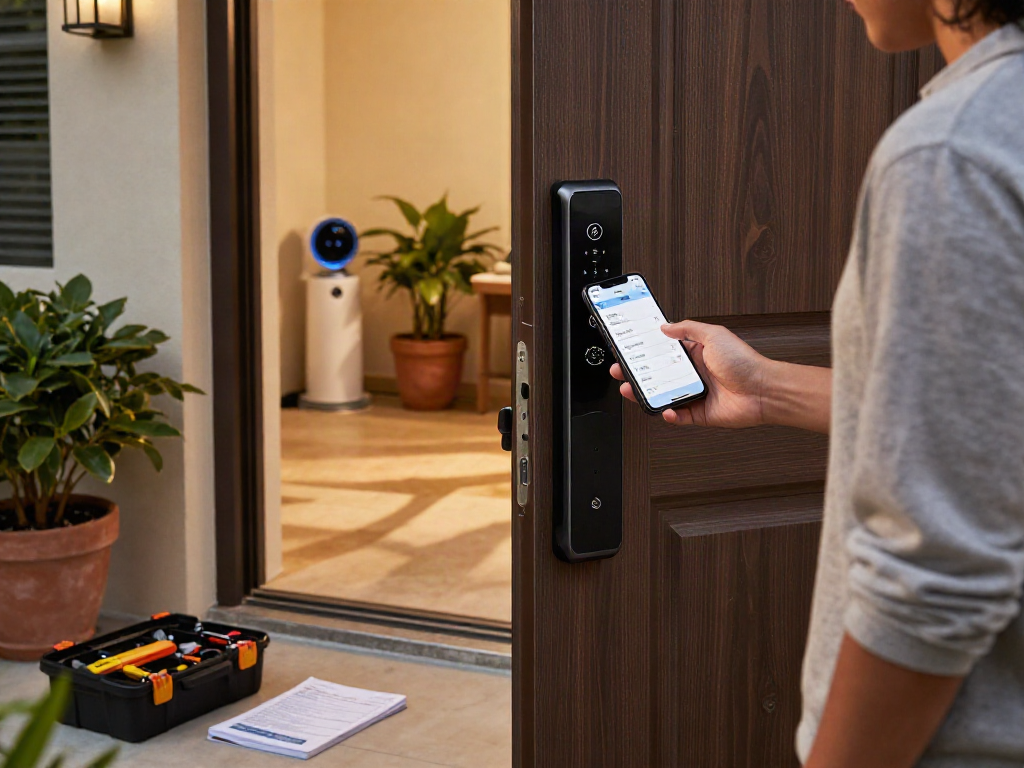
Understanding Smart Locks: The Future of Home Security
As technology continues to evolve, the way we secure our homes is undergoing a remarkable transformation. The rise of smart locks is a testament to this shift, offering homeowners enhanced security, convenience, and integration with modern technology. In 2026, purchasing a smart lock is not just a trend but a necessity for anyone who values safety and accessibility in their living space. When exploring options, خرید قفل هوشمند provides comprehensive insights into the latest offerings that cater to various needs.
What is a Smart Lock and How Does it Work?
A smart lock is an advanced locking mechanism that enhances security by allowing users to control access to their homes remotely. Unlike traditional locks, which require physical keys, smart locks use a variety of technology such as Bluetooth, Wi-Fi, and biometrics. Users can lock and unlock doors via smartphone applications, keypads, or even with their fingerprints, ensuring that entry is restricted to authorized individuals only.
Most smart locks operate on batteries, providing a convenient installation process that often requires no professional assistance. When installed, users can easily customize access settings, monitor entry logs, and even receive alerts when someone attempts to enter their home. This innovative blend of security and technology makes smart locks an appealing choice for contemporary households.
Key Features to Look for in خرید قفل هوشمند
When considering the purchase of a smart lock, there are several key features to keep in mind:
- Access Control Options: Look for locks that offer multiple ways to access your home, such as smartphone apps, keypads, and biometric options.
- Remote Monitoring: The ability to check lock status and receive alerts is vital for peace of mind.
- Integration Capability: Ensure that the smart lock can integrate seamlessly with existing home automation systems, such as smart lights or security cameras.
- Battery Life and Backup Options: Long-lasting batteries and backup access methods, such as physical keys, are important for reliability.
- Durability: Choose locks made from robust materials that can withstand forced entry.
The Benefits of Upgrading to Smart Locks
Enhanced Security Features: A Comparative Analysis
One of the most compelling reasons to upgrade to smart locks is the enhanced security they offer. Traditional locks can be easily picked or bumped, leaving homes vulnerable to break-ins. In comparison, smart locks utilize encrypted connections, making it significantly harder for unauthorized users to gain access.
Moreover, many smart locks come equipped with advanced features like auto-locking, which secures your home automatically after a designated period, and tamper alerts that notify you of any suspicious activity. When compared to traditional locks, smart locks provide an additional layer of protection, ensuring that your home remains safe.
Convenience Factors: Keyless Entry and Remote Access
The convenience of smart locks is unmatched. With keyless entry, you no longer have to fumble for keys when your hands are full. Many models allow users to create temporary access codes for guests or service personnel, which can be easily revoked after their visit.
Remote access is another significant advantage. Whether you are at work or on vacation, you can lock or unlock your door from anywhere using your smartphone. This feature not only enhances convenience but also ensures that you can grant access to trusted individuals even when you're not home.
Energy Efficiency and Integration with Home Automation
Smart locks can contribute to overall energy efficiency in your home, especially when integrated with other smart devices. For instance, if your lock features geofencing technology, it can automatically turn off lights or adjust the thermostat when you leave, helping reduce energy consumption.
With the growth of home automation systems, integrating your smart lock with other devices can lead to a more cohesive and efficient home environment. For example, pairing your smart lock with a smart security system can provide real-time notifications and record footage of any unauthorized access attempts.
Challenges and Solutions When Buying Smart Locks
Identifying Compatibility with Existing Door Hardware
One of the initial challenges homeowners face when considering a smart lock is ensuring compatibility with their current door hardware. Before purchasing, it's essential to measure your door thickness, backset, and hole spacing to guarantee that the smart lock will fit seamlessly.
If you're uncertain about compatibility, many manufacturers provide detailed specifications and guidance to help you select the right model for your door. Consulting with a professional can also alleviate concerns regarding installation or compatibility issues.
Data Security: Protecting Your Information and Privacy
As smart locks connect to the internet, concerns around data security and privacy naturally arise. It's crucial to choose a lock from a reputable brand that employs robust encryption methods to protect user data.
Additionally, keeping your lock's firmware updated and using strong, unique passwords can significantly reduce the risk of hacking. Regularly reviewing your lock's access logs will help you monitor who has access to your home and when.
Managing Access for Family and Guests with Smart Technology
Managing access for family members and guests is a vital aspect of smart locks. Most models allow you to create multiple user profiles, enabling each person to have their own entry code. This feature is particularly beneficial for families, as it ensures that everyone can easily access the home without sharing keys.
For short-term guests, consider using temporary access codes that automatically expire after a specified timeframe. This feature provides convenience while maintaining security, as you won't need to worry about retrieving physical keys after their visit.
Real-World Applications and Case Studies
Residential Use: Success Stories from Homeowners
Many homeowners have shared positive experiences after upgrading to smart locks. For instance, a family in a suburban neighborhood reported that they could monitor who entered and exited their home, providing them with greater peace of mind regarding their children's safety.
Another homeowner appreciated the ability to grant access to a dog walker without needing to be home. This flexibility has improved their day-to-day living, showcasing how smart locks can adapt to the needs of modern families.
Commercial Deployments: Smart Locks in Businesses
Smart locks are not only beneficial for residential settings but also for commercial applications. Businesses have begun installing smart locks to enhance overall security and simplify access for employees and clients. For example, a local gym implemented smart locks for their lockers, allowing members to access their belongings through a smartphone app, improving member satisfaction while enhancing security.
Additionally, retail stores are utilizing smart locking systems to manage inventory access. Managers can monitor who accesses stockrooms and restrict access during non-working hours, thus deterring theft and ensuring inventory security.
Future Trends in Smart Lock Technology: What to Expect in 2026
As we look ahead to 2026, the smart lock industry is poised for remarkable technological advancements. Innovations such as voice-activated access, AI integration, and enhanced biometric options are on the horizon. These trends will further enhance convenience and security, making smart locks a staple in contemporary home and business security.
Additionally, eco-friendly options incorporating solar power for charging and customizable designs are becoming increasingly popular, catering to a wider audience that values sustainability and personalization.
Implementation Guide: Steps to Secure Your Home with Smart Locks
Choosing the Right Smart Lock for Your Needs
Selecting the appropriate smart lock involves considering factors such as your budget, needed features, and compatibility with your existing systems. Researching various brands and reading customer reviews can provide valuable insights.
Moreover, assess whether you want a lock that integrates with home automation systems or one that stands alone. Understanding your specific security needs allows you to make a more informed decision.
Step-by-Step Installation Process for خرید قفل هوشمند
Installing a smart lock generally follows a straightforward process:
- Remove the existing lock: Unscrew and take off the old lock while ensuring that you do not damage the door.
- Prepare the smart lock: Follow the manufacturer's instructions for assembling the smart lock components.
- Install the smart lock: Align the lock with the existing holes and fix it in place with screws.
- Connect to Wi-Fi or Bluetooth: Pair the smart lock with your smartphone following the app instructions.
- Test the lock: Ensure that the smart lock operates correctly and adjust settings as necessary.
Best Practices for Maintaining Your Smart Lock System
To ensure the longevity and reliability of your smart lock, adhere to the following best practices:
- Regularly update software: Keeping your lock's firmware updated can protect against vulnerabilities.
- Inspect the lock periodically: Check for any physical damage or misalignment that may affect performance.
- Replace batteries proactively: Monitor battery life and replace batteries before they run out to avoid lockouts.
- Educate your family: Ensure everyone knows how to use the smart lock and is aware of security best practices.
What are the main advantages of خرید قفل هوشمند?
The primary advantages of smart locks include enhanced security, convenience of keyless access, remote monitoring capabilities, and integration with home automation systems. These features not only improve safety but also provide homeowners with unparalleled ease of use.
How secure are smart locks compared to traditional locks?
Smart locks offer enhanced security features, such as encryption and monitoring, making them generally more secure than traditional locks. However, the level of security largely depends on the specific model and its implementation.
Can I integrate a smart lock with my existing home automation system?
Yes, many smart locks are designed to be compatible with various home automation systems, allowing users to integrate them seamlessly into their existing setups for improved functionality.
What happens if the battery of my smart lock dies?
Most smart locks include backup mechanisms, such as a physical key option, or offer alerts to notify you when the battery is low. It's advisable to replace the batteries proactively to avoid lockouts.
Are smart locks suitable for rental properties?
Yes, smart locks are an excellent choice for rental properties, as they allow landlords to provide temporary access to tenants and service providers without needing to be present, enhancing security and convenience.