
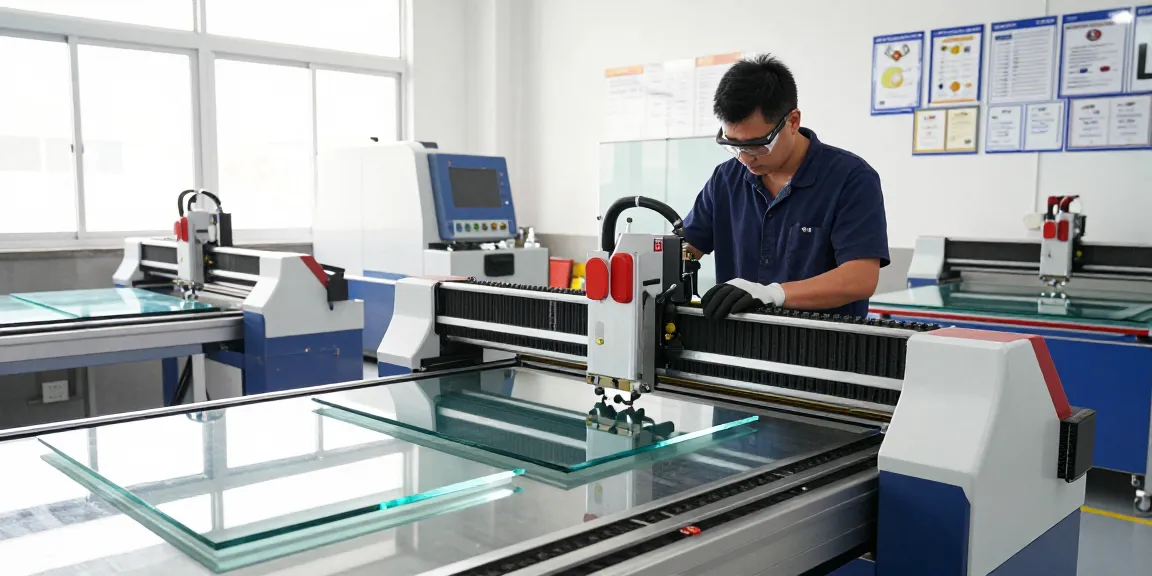
Understanding CNC Glass Cutting Machines
CNC (Computer Numerical Control) glass cutting machines have transformed the glass processing industry by bringing precision, efficiency, and versatility to glass fabrication. These advanced machines utilize computerized systems to control the cutting tools, enabling intricate designs and configurations that manual cutting methods simply cannot achieve. As industries continue to demand higher standards of quality and efficiency, CNC technology stands out as a game-changer in the glass sector. When exploring options, cnc glass cutting machine solutions provide comprehensive insights into the latest technology and capabilities available today.
What is a CNC Glass Cutting Machine?
A CNC glass cutting machine is a specialized equipment designed to cut glass into various shapes and sizes with high precision. These machines operate using pre-programmed software that controls the cutting process, allowing for intricate designs that maintain dimension accuracy. CNC glass cutters can handle different types of glass, including tempered, laminated, and insulated glass, making them essential for a wide range of applications, from architecture to automotive manufacturing.
Key Components and Features of CNC Machines
Key components of CNC glass cutting machines include:
- Control Software: The brain of the operation, enabling precise instructions for cutting paths.
- Cutting Head: Equipped with various tools for scoring, cutting, and engraving glass.
- Feed System: Ensures accurate movement of glass sheets through the cutting process.
- Safety Features: Implementations that protect operators and equipment from potential hazards.
Advanced CNC machines often include features like automatic loaders, which facilitate fast processing of large glass sheets, and integrated inspection systems that ensure quality control throughout the cutting process.
How CNC Technology Enhances Glass Processing
CNC technology enhances glass processing by allowing for complex geometries that manual methods struggle to achieve. This precision leads to reduced errors, lower material waste, and improved turnaround times for projects. The ability to program multiple designs into a single machine means that fabricators can easily transition between jobs without significant downtime, increasing overall productivity.
Benefits of Using CNC Glass Cutting Machines
Increased Precision and Efficiency
One of the most significant advantages of CNC glass cutting machines is the high precision they offer. Each cut is executed according to exact specifications, which minimizes human error and results in uniform products. Additionally, CNC machines can operate continuously, allowing for higher throughput compared to manual cutting processes.
Reduction in Material Waste
With the ability to calculate optimal cutting paths and layouts, CNC machines significantly reduce material waste. By maximizing the use of each glass sheet, manufacturers can lower costs and improve their sustainability practices. This feature is particularly beneficial in industries that require large quantities of glass, as it translates to financial savings over time.
Versatility in Glass Cutting Applications
CNC glass cutting machines are highly versatile, capable of working with various types of glass, including float, low-e, and tinted glass. This versatility allows manufacturers to cater to diverse market needs, from residential constructions to commercial projects. They can also perform multiple functions such as engraving, drilling, and milling in one setup, streamlining the production process.
Challenges in CNC Glass Cutting Operations
Common Issues and Solutions
Despite the advantages, CNC glass cutting machines are not without challenges. Common issues include tool wear, machine calibration errors, and software glitches. Regular maintenance and adherence to operational guidelines can mitigate these problems. Moreover, utilizing high-quality tools and investing in staff training can significantly enhance troubleshooting capabilities.
Maintenance Best Practices for Optimal Performance
To ensure optimal performance, manufacturers should adhere to the following maintenance practices:
- Regularly inspect and calibrate machines to maintain cutting accuracy.
- Conduct routine cleaning of cutting heads and work areas to prevent contamination.
- Replace worn or damaged tools promptly to avoid inferior cuts.
- Provide ongoing training for operators to keep them updated on machine capabilities and best practices.
Addressing Safety Concerns in the Workshop
Safety is paramount in glass processing environments. Operators should wear appropriate personal protective equipment (PPE) and adhere to safety protocols to minimize the risk of accidents. Implementing safety features in CNC machines, such as emergency stop buttons and safety guards, further enhances workplace safety.
Innovative Trends in CNC Glass Cutting Technology by 2026
Emerging Technologies and Their Impacts
The landscape of CNC glass cutting technology is evolving rapidly, with trends towards more automated systems and integration with artificial intelligence (AI). Machines equipped with AI can learn from past operations, improving their performance over time. Emerging technologies, such as laser cutting and hybrid machines that combine various cutting methods, are also gaining traction.
Integrating Automation with Human Operations
As automation continues to expand, the integration of intelligent systems with human operations is becoming crucial. Manufacturers are looking to develop robotic systems that can work in tandem with CNC machines to handle loading, unloading, and even quality inspections, allowing human operators to focus on more complex tasks.
Future Market Predictions for CNC Glass Cutting
Market predictions suggest that the demand for CNC glass cutting machines will continue to grow as industries focus on automation and efficiency. The increasing need for customized glass products will drive innovation in this sector, with manufacturers seeking advanced solutions that offer greater flexibility and speed in production.
Choosing the Right CNC Glass Cutting Machine for Your Needs
Factors to Consider Before Purchase
When selecting a CNC glass cutting machine, consider the following factors:
- Type of Glass: Ensure the machine is compatible with the types of glass you plan to work with.
- Cutting Speed and Precision: Evaluate the machine’s specifications to ensure it meets your production requirements.
- Maintenance and Support: Investigate the manufacturer’s support services and warranty options to safeguard your investment.
Brand Comparisons and Recommendations
Several key players in the CNC glass cutting machine market offer various models catering to different needs. Brands such as Zhengke, Glassline, and CMS are highly regarded for their technological advancements and customer service. Comparing product specifications, customer feedback, and support options can help you make an informed decision.
Customer Case Studies and Feedback
Real-world case studies highlight the benefits that businesses have experienced after transitioning to CNC glass cutting machines. For instance, a leading glass manufacturer reported a 30% increase in productivity and a 25% reduction in waste after implementing a CNC system tailored to their production needs. Customer feedback often emphasizes improved cutting accuracy and faster turnarounds as notable advantages.