Posted on

Oil Centrifuge Traps: What to Watch Out For in 2026

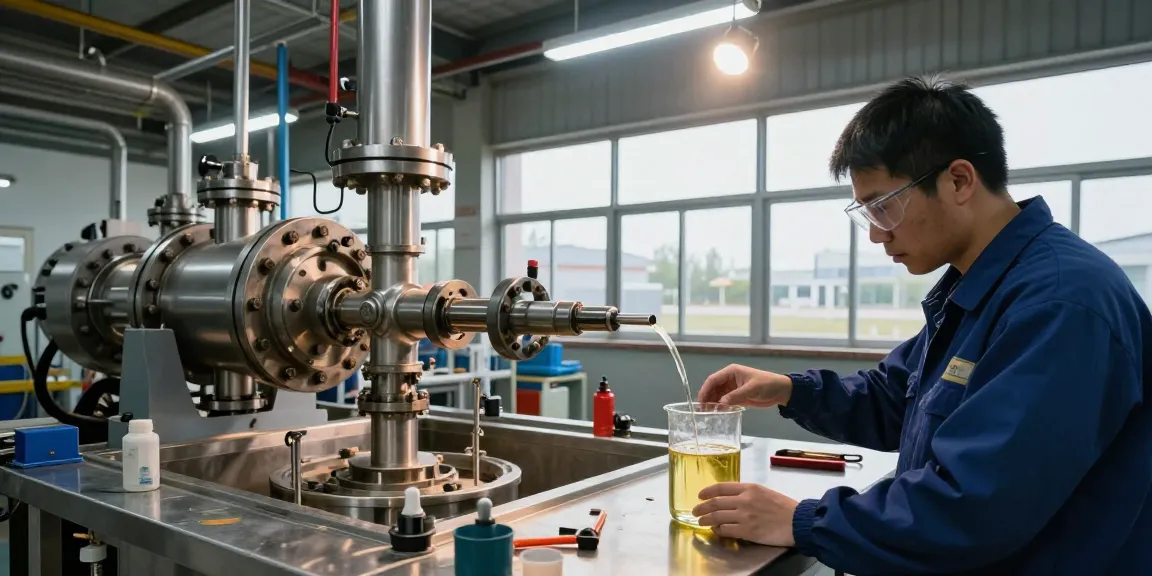
Advanced oil centrifuge in use by technician, showcasing clarity and separation efficiency in a modern industrial setting.

Understanding Oil Centrifuge Technology

The oil centrifuge is a critical piece of equipment in various industries, utilizing centrifugal force to separate contaminants from oil, enhancing both quality and efficiency. With growing environmental concerns and the need for sustainable practices, mastering the technology behind oil centrifuges is essential for industries like automotive, pharmaceuticals, and food processing. This article delves into the intricacies of oil centrifuge technology, its applications, benefits, and best practices for selection and maintenance.

What is an Oil Centrifuge?

An oil centrifuge is a specialized machine designed to separate solid and liquid materials based on differences in density. The device typically consists of a rotating drum, which accelerates the separation process. As the drum spins, denser particles are thrown against the wall, allowing lighter contaminants, including water and particulates, to be removed from the oil. This technology is vital for ensuring the purity of oils used in manufacturing, energy production, and food processing.

How Oil Centrifuges Function

The operational principle of an oil centrifuge is relatively straightforward. Initially, contaminated oil is fed into the centrifuge, where it is subjected to high-speed rotation. This rotational action generates centrifugal force, which separates the impurities from the oil. The separated contaminants settle at the bottom or are expelled via specialized discharge mechanisms. Modern oil centrifuges can achieve separation efficiencies of up to 99%, making them an indispensable tool in industries that rely on high-quality oil.

When exploring options, oil centrifuge technology provides comprehensive insights into machinery and processes that optimize performance and sustainability.

Applications Across Industries

Oil centrifuges find applications across numerous sectors:

  • Automotive Industry: Used for filtering engine oil, ensuring cleaner operation and extending engine life.
  • Food Processing: Essential for clarifying oils used in cooking and food production, ensuring compliance with health regulations.
  • Pharmaceuticals: Critical in separating oils for drug manufacturing, maintaining stringent quality control measures.
  • Oil and Gas: Employed in drilling and refining processes to enhance oil purity and recovery rates.
  • Energy Sector: Utilized in biofuel production for cleaning used oils and improving sustainability.

Common Pitfalls When Selecting an Oil Centrifuge

Choosing the right oil centrifuge can be challenging. Here are common pitfalls to avoid:

Ignoring Equipment Specifications

Each centrifugal unit comes with specific characteristics, such as flow rates, capacity, and compatible fluid types. Failing to match these specifications with your operational requirements can result in inefficient performance and increased costs.

Overlooking Maintenance Requirements

Regular maintenance is crucial for the longevity and efficiency of oil centrifuges. Neglecting this aspect can lead to operational failures and costly downtimes. Understanding the maintenance schedule and requirements of your chosen centrifuge is vital.

Misunderstanding Flow Rates and Efficiency

It’s essential to comprehend how flow rates relate to system efficiency. Choosing a centrifuge with inadequate flow rates for your application can severely limit your operation’s productivity and effectiveness.

Best Practices for Optimal Performance

To ensure your oil centrifuge operates at its best, consider the following best practices:

Regular Maintenance and Servicing

Adhering to a proactive maintenance schedule will help avoid unexpected breakdowns and prolong the lifespan of your centrifuge. This includes cleaning, inspecting, and replacing worn components as necessary.

Utilizing Quality Replacement Parts

Using OEM (Original Equipment Manufacturer) parts guarantees compatibility and reliability, enhancing the overall performance of your centrifuge. Inferior substitutes may lead to malfunctions and increased operational costs.

Training Staff on Operation and Safety

Providing adequate training for staff ensures that they understand the operation and safety protocols associated with oil centrifuges. This not only minimizes risks but also optimizes machine performance.

Future Trends in Oil Centrifuge Technology

The future of oil centrifuge technology promises advancements that further enhance efficiency and sustainability:

Advancements in Automation

As industries move towards fully automated processes, oil centrifuges are incorporating smart technologies for improved monitoring and control, leading to optimized performance and reduced operational costs.

Integration with IoT for Monitoring

Internet of Things (IoT) technology enables real-time monitoring of centrifuge performance, providing valuable data for predictive maintenance and process optimization. This ensures minimal downtime and maximized output.

Sustainability and Environmental Impact

With an increasing focus on sustainability, oil centrifuges are evolving to utilize less energy, reduce waste, and improve recovery rates. These innovations support companies’ environmental goals while maintaining productivity.

Case Studies: Successful Oil Centrifuge Implementations

Understanding successful implementations can provide valuable insights into the effective use of oil centrifuges:

Pharmaceutical Industry Examples

In the pharmaceutical sector, companies have successfully utilized oil centrifuges to purify essential oils used in drug formulations, ensuring compliance with stringent quality standards.

Food and Beverage Sector Successes

Leading food processing firms have adopted oil centrifuges to clarify oils, improving product quality while adhering to food safety regulations, thus enhancing consumer trust and satisfaction.

Oil and Gas Industry Innovations

Innovative applications of oil centrifuges in the oil and gas industry have improved the efficiency of oil recovery and reduced environmental impact, showcasing the versatility of this technology.

FAQs

What are the benefits of using an oil centrifuge?

Oil centrifuges offer numerous benefits, including enhanced oil purity, reduced contamination, extended equipment life, and improved operational efficiency.

How do I maintain my oil centrifuge?

Regular inspections, cleaning, and timely replacement of parts are crucial. Following the manufacturer’s maintenance guidelines will ensure optimal performance.

What are common issues with oil centrifuges?

Common issues include clogged filters, seal failures, and misalignment of components, which can lead to operational inefficiencies.

Can oil centrifuges be used in food processing?

Yes, oil centrifuges are widely used in food processing to clarify cooking oils and other liquid products, ensuring safety and quality.

What is the average lifespan of an oil centrifuge?

The average lifespan of an oil centrifuge can vary, but with proper maintenance, they can last anywhere from 10 to 20 years.. Additionally, centrifuge provides further details.

Posted on

Structural Integrity Assessment Missouri Deep Dive: Expert Insights for Homeowners and Contractors in 2026

Structural integrity assessment Missouri performed by professional engineer in modern office.

Understanding Structural Integrity Assessments in Missouri

In the field of engineering, the significance of structural integrity assessments cannot be overstated, particularly in a state like Missouri where diverse environmental conditions can impact structures. These assessments serve as a proactive measure taken by homeowners, contractors, and legal professionals to ensure the safety and longevity of buildings and infrastructure. When exploring options, structural integrity assessment missouri provides comprehensive insights into the evaluation process, regulations, and common issues faced.

What is a Structural Integrity Assessment?

A structural integrity assessment is a comprehensive evaluation of a structure’s stability and strength. This process involves analyzing various factors that contribute to a building’s ability to withstand forces, such as weight, environmental stresses, and time. It checks for any signs of wear and tear, potential failures, and compliance with building codes. Such assessments are crucial for ensuring that residential and commercial structures remain safe for occupancy and use.

Importance of Structural Integrity in Engineering

The structural integrity of buildings directly impacts their safety and functionality. An assessment helps identify potential weaknesses in a structure, which can lead to costly repairs or catastrophic failures if left unaddressed. Maintaining structural integrity is vital for protecting investments and ensuring compliance with local regulations. This is especially important in Missouri, where weather conditions can vary significantly, leading to issues such as flooding, snow loads, and seismic activity.

Key Regulations Governing Assessments in Missouri

In Missouri, structural integrity assessments are governed by state regulations that require licensed engineers to conduct evaluations in accordance with established codes. These regulations ensure that assessments are thorough and adhere to safety standards. The Missouri Board for Professional Engineers sets forth these guidelines to protect the public and ensure that all engineering practices meet the necessary legal and ethical standards.

Common Issues Addressed by Structural Integrity Assessments

Identifying Signs of Structural Failure

Structural assessments focus on identifying various signs of distress that may indicate potential failures. Common warning signs include:

  • Cracks in walls and ceilings
  • Uneven floors
  • Doors and windows that stick
  • Separation between walls and ceilings or floors
  • Visible sagging in rooflines

These indicators can compromise the structural integrity of a building if not evaluated and addressed promptly.

Evaluating Compliance with Building Codes

Another critical aspect of structural integrity assessments is evaluating whether a structure complies with local building codes. Compliance not only ensures safety but also prevents legal issues that can arise from violations. Engineers evaluate the adherence to design specifications, load-bearing capacities, and material quality according to Missouri’s building standards.

Impact of Environmental Factors on Structures

Missouri’s diverse climate brings various environmental challenges that can affect structural integrity. Factors such as moisture, freeze-thaw cycles, and heavy snowfall can lead to deterioration. Assessments often consider these elements to determine the potential impact on a building’s stability over time, allowing homeowners and builders to implement preventative measures.

The Assessment Process: What to Expect

Initial Consultation: Defining the Scope and Timeline

The assessment process typically begins with an initial consultation where the engineer defines the project’s scope and timeline. This stage is crucial for understanding the client’s specific concerns and the structure in question. A clear outline helps set realistic expectations and allows for effective planning.

Tools and Techniques Used in Assessments

Engineers utilize a variety of tools and techniques during assessments to ensure accurate evaluations. Some common methods include:

  • Visual inspections
  • Structural modeling
  • Load testing
  • Non-destructive testing techniques (e.g., ultrasonic testing)
  • Material testing and analysis

These tools help identify hidden issues that may not be visible to the naked eye, providing a comprehensive overview of a structure’s condition.

How Assessments Inform Repair or Renovation Plans

Once the assessment is complete, engineers provide a detailed report outlining their findings and recommendations. This information is essential for informing repair or renovation plans, allowing homeowners and contractors to make informed decisions about necessary improvements or reinforcements to ensure long-term stability.

Choosing the Right Professional for Structural Assessments

Qualifications and Experience to Look For

When selecting a professional for structural integrity assessments, it’s essential to consider their qualifications and experience. Look for licensed Professional Engineers (PE) with a solid background in structural engineering. Their expertise should encompass both residential and commercial projects, ensuring they have the knowledge necessary to address various types of structures.

Understanding Professional Liability and Insurance

Engineers involved in structural assessments must maintain professional liability insurance, which protects both the engineer and the client in case of errors or omissions. Clients should always verify that the engineer they choose has adequate insurance coverage, as this provides an additional layer of security throughout the assessment process.

Finding a Licensed Engineer in Missouri

Homeowners and contractors looking for a licensed engineer in Missouri can start by checking the Missouri Board for Professional Engineers’ website. This resource provides a list of certified engineers, ensuring that clients can select a professional who meets state standards and has the necessary credentials to conduct thorough assessments.

Future Trends in Structural Integrity Assessment

Technological Advances Shaping the Industry in 2026

As we look toward the future, advancements in technology will continue to influence structural integrity assessments. Innovative tools such as drones and advanced imaging techniques are being developed to perform inspections more efficiently and accurately. These technologies not only enhance the assessment process but also reduce the time and costs associated with traditional methods.

The Role of Data Analytics in Structural Evaluations

Data analytics is becoming increasingly important in the assessment process. Engineers can utilize data collected over time to forecast potential structural issues and make proactive decisions. This shift towards a data-driven approach allows for more accurate modeling of structural behavior and performance under various conditions.

Emerging Best Practices for Engineers

Best practices in the field will evolve alongside technological advancements. Continuous professional development and training will be vital for engineers to stay current with industry standards and techniques. Moreover, integrating new technologies into traditional evaluation methods will lead to more comprehensive and reliable assessments.

What is a structural integrity assessment?

A structural integrity assessment is a systematic evaluation of a structure’s ability to perform its intended function safely. This includes assessing its capacity to withstand various loads and enduring conditions without experiencing significant deterioration or failure.

Who can check the structural integrity of a house?

Typically, a licensed structural engineer is qualified to assess the structural integrity of a house. They possess the necessary training and expertise to conduct thorough evaluations and provide recommendations for repairs or improvements.

How much should I expect to pay for a structural engineer?

The cost of hiring a structural engineer can vary significantly based on the complexity of the project and the geographical location. Generally, clients can expect to pay an hourly rate ranging from $90 to $200, with total project costs varying depending on the scope of the assessment.

Who checks structural integrity?

Structural integrity is checked by licensed engineers who specialize in structural evaluations. They conduct inspections, complete necessary tests, and provide detailed reports on the condition of a structure, ensuring it meets safety regulations and standards.

What are common causes of structural failure?

Structural failures can occur due to various reasons, including poor design, inadequate materials, environmental factors, and lack of maintenance. Regular assessments help identify and mitigate these risks, preserving the integrity of buildings and other structures in Missouri.

Posted on

Essential CNC Glass Cutting Machine Insights for 2026: Expert Techniques and Innovations

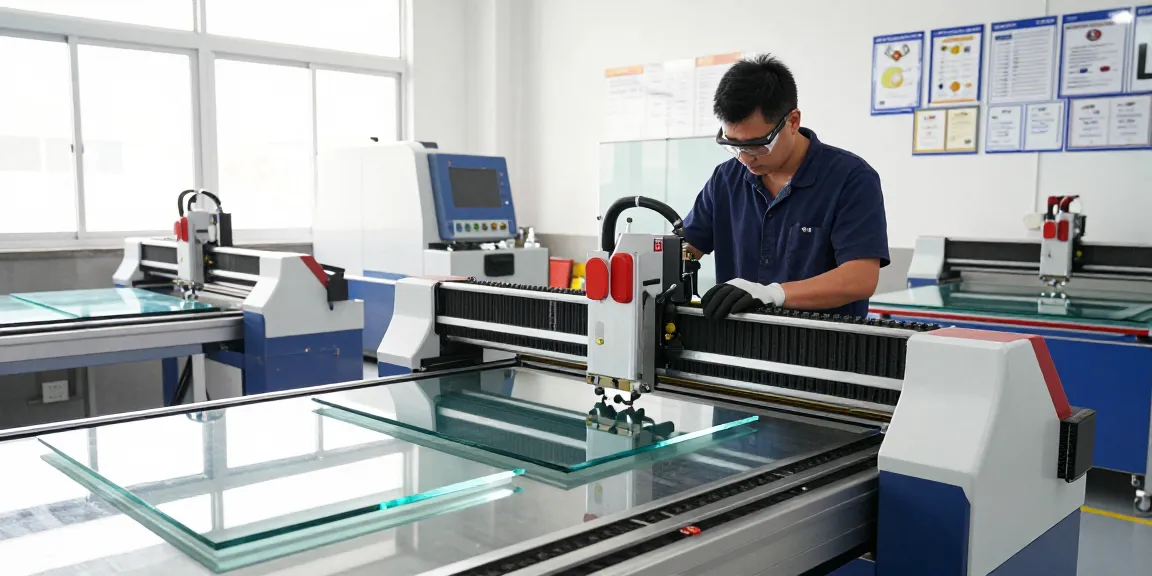
CNC glass cutting machine being operated in a modern glass processing workshop with advanced equipment.

Understanding CNC Glass Cutting Machines

CNC (Computer Numerical Control) glass cutting machines have transformed the glass processing industry by bringing precision, efficiency, and versatility to glass fabrication. These advanced machines utilize computerized systems to control the cutting tools, enabling intricate designs and configurations that manual cutting methods simply cannot achieve. As industries continue to demand higher standards of quality and efficiency, CNC technology stands out as a game-changer in the glass sector. When exploring options, cnc glass cutting machine solutions provide comprehensive insights into the latest technology and capabilities available today.

What is a CNC Glass Cutting Machine?

A CNC glass cutting machine is a specialized equipment designed to cut glass into various shapes and sizes with high precision. These machines operate using pre-programmed software that controls the cutting process, allowing for intricate designs that maintain dimension accuracy. CNC glass cutters can handle different types of glass, including tempered, laminated, and insulated glass, making them essential for a wide range of applications, from architecture to automotive manufacturing.

Key Components and Features of CNC Machines

Key components of CNC glass cutting machines include:

  • Control Software: The brain of the operation, enabling precise instructions for cutting paths.
  • Cutting Head: Equipped with various tools for scoring, cutting, and engraving glass.
  • Feed System: Ensures accurate movement of glass sheets through the cutting process.
  • Safety Features: Implementations that protect operators and equipment from potential hazards.

Advanced CNC machines often include features like automatic loaders, which facilitate fast processing of large glass sheets, and integrated inspection systems that ensure quality control throughout the cutting process.

How CNC Technology Enhances Glass Processing

CNC technology enhances glass processing by allowing for complex geometries that manual methods struggle to achieve. This precision leads to reduced errors, lower material waste, and improved turnaround times for projects. The ability to program multiple designs into a single machine means that fabricators can easily transition between jobs without significant downtime, increasing overall productivity.

Benefits of Using CNC Glass Cutting Machines

Increased Precision and Efficiency

One of the most significant advantages of CNC glass cutting machines is the high precision they offer. Each cut is executed according to exact specifications, which minimizes human error and results in uniform products. Additionally, CNC machines can operate continuously, allowing for higher throughput compared to manual cutting processes.

Reduction in Material Waste

With the ability to calculate optimal cutting paths and layouts, CNC machines significantly reduce material waste. By maximizing the use of each glass sheet, manufacturers can lower costs and improve their sustainability practices. This feature is particularly beneficial in industries that require large quantities of glass, as it translates to financial savings over time.

Versatility in Glass Cutting Applications

CNC glass cutting machines are highly versatile, capable of working with various types of glass, including float, low-e, and tinted glass. This versatility allows manufacturers to cater to diverse market needs, from residential constructions to commercial projects. They can also perform multiple functions such as engraving, drilling, and milling in one setup, streamlining the production process.

Challenges in CNC Glass Cutting Operations

Common Issues and Solutions

Despite the advantages, CNC glass cutting machines are not without challenges. Common issues include tool wear, machine calibration errors, and software glitches. Regular maintenance and adherence to operational guidelines can mitigate these problems. Moreover, utilizing high-quality tools and investing in staff training can significantly enhance troubleshooting capabilities.

Maintenance Best Practices for Optimal Performance

To ensure optimal performance, manufacturers should adhere to the following maintenance practices:

  • Regularly inspect and calibrate machines to maintain cutting accuracy.
  • Conduct routine cleaning of cutting heads and work areas to prevent contamination.
  • Replace worn or damaged tools promptly to avoid inferior cuts.
  • Provide ongoing training for operators to keep them updated on machine capabilities and best practices.

Addressing Safety Concerns in the Workshop

Safety is paramount in glass processing environments. Operators should wear appropriate personal protective equipment (PPE) and adhere to safety protocols to minimize the risk of accidents. Implementing safety features in CNC machines, such as emergency stop buttons and safety guards, further enhances workplace safety.

Innovative Trends in CNC Glass Cutting Technology by 2026

Emerging Technologies and Their Impacts

The landscape of CNC glass cutting technology is evolving rapidly, with trends towards more automated systems and integration with artificial intelligence (AI). Machines equipped with AI can learn from past operations, improving their performance over time. Emerging technologies, such as laser cutting and hybrid machines that combine various cutting methods, are also gaining traction.

Integrating Automation with Human Operations

As automation continues to expand, the integration of intelligent systems with human operations is becoming crucial. Manufacturers are looking to develop robotic systems that can work in tandem with CNC machines to handle loading, unloading, and even quality inspections, allowing human operators to focus on more complex tasks.

Future Market Predictions for CNC Glass Cutting

Market predictions suggest that the demand for CNC glass cutting machines will continue to grow as industries focus on automation and efficiency. The increasing need for customized glass products will drive innovation in this sector, with manufacturers seeking advanced solutions that offer greater flexibility and speed in production.

Choosing the Right CNC Glass Cutting Machine for Your Needs

Factors to Consider Before Purchase

When selecting a CNC glass cutting machine, consider the following factors:

  • Type of Glass: Ensure the machine is compatible with the types of glass you plan to work with.
  • Cutting Speed and Precision: Evaluate the machine’s specifications to ensure it meets your production requirements.
  • Maintenance and Support: Investigate the manufacturer’s support services and warranty options to safeguard your investment.

Brand Comparisons and Recommendations

Several key players in the CNC glass cutting machine market offer various models catering to different needs. Brands such as Zhengke, Glassline, and CMS are highly regarded for their technological advancements and customer service. Comparing product specifications, customer feedback, and support options can help you make an informed decision.

Customer Case Studies and Feedback

Real-world case studies highlight the benefits that businesses have experienced after transitioning to CNC glass cutting machines. For instance, a leading glass manufacturer reported a 30% increase in productivity and a 25% reduction in waste after implementing a CNC system tailored to their production needs. Customer feedback often emphasizes improved cutting accuracy and faster turnarounds as notable advantages.

Posted on

Key Innovations Driving Heavy Industry and Engineering Success

Understanding Heavy Industry: Definition and Scope

Heavy industry refers to the large-scale production and manufacturing processes that typically involve heavy machinery, significant capital investment, and the transformation of raw materials into finished goods. This sector is crucial for the development of infrastructure and the economy, playing a significant role in meeting the demands of various industries, such as construction, mining, and energy.

What Constitutes Heavy Industry?

Heavy industry encompasses a wide range of sectors that involve substantial physical processes. The primary characteristics of heavy industry include:

  • Large Scale Operations: Operations generally require significant amounts of land, resources, and labor.
  • Heavy Machinery: Utilization of large equipment and machinery designed to handle heavy materials.
  • Raw Material Processing: Involves the transformation of raw materials such as steel, concrete, and chemical products into finished goods.
  • Environmental Impact: Typically associated with high levels of emissions and waste, necessitating stringent regulatory compliance.

Key Sectors Within Heavy Industry

Heavy industry includes several key sectors, each with its unique characteristics and contributions to the economy:

  • Manufacturing: This sector involves the production of machinery, vehicles, and equipment. Examples include automotive and aerospace manufacturing.
  • Construction: Heavy construction includes building infrastructure such as bridges, roads, and buildings, often requiring large machinery like cranes and excavators.
  • Mining: The extraction of minerals and resources, which is foundational for many other industries. It includes coal, metal ore, and precious gems extraction.
  • Energy Production: Involves the generation of energy through fossil fuels, nuclear, and renewable sources, often requiring large-scale power plants and facilities.

The Role of Heavy Industry in the Global Economy

Heavy industry is a backbone of the global economy, influencing both industrial and consumer markets. It contributes significantly to GDP and employment levels in many countries. For instance, according to the International Labour Organization, heavy industries account for over 25% of total employment in certain economies. The industry is vital for:

  • Economic Development: Facilitating infrastructure development that supports urbanization and industrialization.
  • Trade: Heavy industrial products often form the basis of international trade, with countries exporting vehicles, machinery, and construction materials.
  • Job Creation: Providing millions of jobs worldwide, ranging from skilled labor to engineering and management roles.

Core Engineering Principles in Heavy Industry

Engineering principles in heavy industry are foundational to the design, manufacturing, and operational processes that ensure efficiency, safety, and quality. Understanding these principles is crucial for professionals in the field.

Fundamental Engineering Concepts Applied in Heavy Industry

Several fundamental engineering concepts underpin operations in heavy industry:

  • Systems Engineering: Focuses on the design and management of complex systems over their life cycles.
  • Mechanical Engineering: Involves the design and analysis of machines and mechanical systems used in heavy industry.
  • Civil Engineering: Critical for construction and infrastructure projects, ensuring safety, compliance, and durability.
  • Electrical Engineering: Essential for the automation and control systems used in heavy machinery and equipment.

Material Selection and Properties for Heavy Equipment

The selection of materials is critical in heavy industry, as they must withstand extreme conditions while ensuring safety and performance. Key considerations include:

  • Strength: Materials must have high tensile and yield strength to endure heavy loads.
  • Durability: Resistance to wear and corrosion is essential, particularly in harsh environments.
  • Weight: The weight of materials can affect the efficiency of transportation and machinery operation.

For example, steel is commonly used due to its strength and versatility, while advanced composites are increasingly utilized for their lightweight and high-strength properties.

Engineering Design Processes and Best Practices

Effective engineering design processes are vital for the success of projects in heavy industry. Best practices include:

  • Defining Requirements: Clearly outline project specifications and functional requirements.
  • Iterative Design: Use prototyping and simulation to test and refine designs before full-scale production.
  • Risk Assessment: Identify potential risks and implement mitigation strategies to ensure safety and compliance.
  • Collaboration: Foster communication among multidisciplinary teams to enhance innovation and problem-solving.

For instance, the design process for large machinery often involves cross-collaboration between mechanical, electrical, and software engineers to create integrated solutions.

Technological Advances and Innovations

The heavy industry sector is undergoing significant transformations due to technological advancements. These innovations enhance productivity, efficiency, and safety across operations.

The Impact of Automation and Robotics

Automation and robotics are revolutionizing heavy industry by improving efficiency and reducing labor costs. Key impacts include:

  • Increased Precision: Robots can perform complex tasks with high accuracy, reducing errors and waste.
  • Enhanced Safety: Automation helps minimize human exposure to hazardous environments, reducing the risk of accidents.
  • Productivity Gains: Automated systems can operate continuously, significantly increasing output.

For example, companies like Caterpillar have integrated robotic systems into their manufacturing processes to streamline operations and enhance product quality.

Emerging Materials and Their Applications in Heavy Engineering

Innovative materials are reshaping heavy industry, enabling the development of lighter, stronger, and more efficient products. Some emerging materials include:

  • Graphene: Known for its exceptional strength and conductivity, graphene is being explored for applications in composite materials.
  • Advanced Alloys: New alloys offer improved performance in extreme conditions, particularly in aerospace and automotive sectors.
  • Biodegradable Composites: These materials are gaining traction for their environmental benefits, particularly in packaging and construction.

Companies that adopt these materials are often at the forefront of innovation, gaining a competitive advantage in the market.

Integrating AI and IoT in Heavy Industry Operations

The integration of Artificial Intelligence (AI) and the Internet of Things (IoT) is transforming how heavy industry operates. Key benefits include:

  • Predictive Maintenance: AI algorithms analyze data from IoT sensors to predict equipment failures before they occur, minimizing downtime.
  • Real-time Monitoring: IoT devices allow for continuous monitoring of equipment and processes, enabling quick adjustments and improved efficiency.
  • Data-Driven Decision Making: AI analyzes large datasets to provide insights that inform strategic decisions.

For instance, Siemens has implemented IoT solutions in their manufacturing plants, resulting in improved operational efficiency and reduced costs.

Sustainability and Environmental Considerations

As the heavy industry faces increasing scrutiny over its environmental impact, sustainability has become a critical focus. Companies are adopting practices that mitigate their ecological footprint while maintaining productivity.

Understanding Environmental Regulations for Heavy Manufacturers

Heavy industry operations are subject to a complex framework of environmental regulations aimed at reducing emissions and waste. Key regulations include:

  • Emissions Standards: Regulations set limits on the amount of pollutants released into the air and water.
  • Waste Management Policies: Guidelines for the proper disposal and recycling of industrial waste.
  • Resource Conservation Laws: Encouraging the sustainable use of raw materials and energy.

Compliance with these regulations is not only a legal requirement but also enhances a company’s reputation and competitiveness in the market.

Efficient Energy Usage and Waste Management Techniques

Improving energy efficiency and waste management are critical components of a sustainable strategy in heavy industry. Effective techniques include:

  • Energy Audits: Conducting regular audits to identify areas for energy savings.
  • Recycling Programs: Implementing systems to recycle materials within the manufacturing process, reducing waste and costs.
  • Renewable Energy Sources: Investing in solar, wind, or other renewable energy sources to power operations sustainably.

For example, a steel manufacturer that utilizes waste heat recovery systems can significantly reduce energy consumption and lower operational costs.

Case Studies on Sustainable Practices in Heavy Industry

Several companies have successfully implemented sustainable practices, serving as models for others in the industry:

  • General Electric: GE has committed to reducing its greenhouse gas emissions and has developed a portfolio of energy-efficient products.
  • ThyssenKrupp: This company has integrated circular economy principles, focusing on recycling and reusing materials in its operations.
  • Dow Chemical: Dow has set ambitious sustainability goals, including achieving zero waste to landfill in its manufacturing sites.

These case studies illustrate how integrating sustainability into operations can enhance profitability and corporate responsibility.

Future Trends and Challenges in Heavy Industry

The heavy industry is at a crossroads, facing challenges and opportunities driven by technological advancements, market demands, and environmental considerations. Understanding these trends is crucial for strategic planning.

Preparing for Workforce Changes and Skills Development

As technology evolves, the heavy industry workforce must adapt. Key strategies for preparing for these changes include:

  • Upskilling Programs: Implement training programs that focus on new technologies, such as automation and AI.
  • Collaborations with Educational Institutions: Partnering with universities and technical schools to develop curricula aligned with industry needs.
  • Diversity Initiatives: Promoting diversity and inclusion to attract a broader talent pool to the industry.

For example, companies like ABB have established training centers to ensure their workforce is equipped with the necessary skills for future challenges.

Addressing Supply Chain Disruptions and Global Challenges

Recent global events have highlighted vulnerabilities in supply chains. To address these challenges, heavy industry leaders should consider:

  • Diversifying Suppliers: Reducing dependency on single sources to mitigate risks associated with supply chain disruptions.
  • Investing in Local Manufacturing: Enhancing local production capabilities to reduce transportation costs and improve responsiveness.
  • Implementing Advanced Analytics: Utilizing data analytics to forecast demand and optimize inventory management.

For instance, the automotive industry has seen significant shifts towards localized production in response to supply chain challenges exacerbated by the pandemic.

Strategic Planning for Future Technological Integration

To remain competitive, heavy industry companies must strategically plan for technological integration. Key action points include:

  • Continuous Research and Development: Investing in R&D to stay ahead of technological trends and develop innovative solutions.
  • Agile Methodologies: Adopting agile practices to enhance responsiveness to market changes and technological advancements.
  • Stakeholder Engagement: Involving stakeholders in the decision-making process to ensure alignment and support for new initiatives.

By embracing a proactive approach to technological integration, companies can position themselves as leaders in the evolving landscape of heavy industry.