Posted on

Are You Making These RainPoint Sprinkler Timer Mistakes? Essential Tips for Better Gardening in 2026

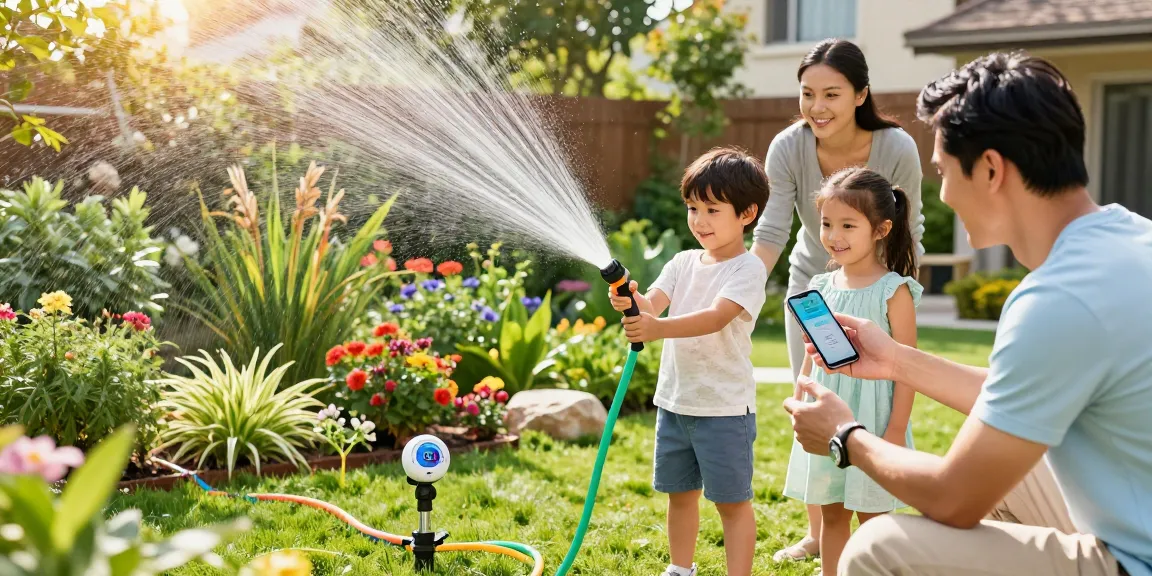
Family setting up a RainPoint sprinkler timer in their garden, enjoying efficient watering.

Understanding the Benefits of the RainPoint Sprinkler Timer

The evolution of gardening tools has taken a remarkable turn over the last few years, particularly with the introduction of intelligent devices like the rainpoint sprinkler timer. This innovative gadget is not just a luxury, but an essential part of modern gardening and landscaping that can save you water, reduce costs, and improve the health of your plants. Here, we delve into the various advantages of using a RainPoint Sprinkler Timer, allowing both novices and seasoned gardeners to optimize their gardening efforts.

How the Timer Saves Water and Money

Water conservation has become a pressing issue in many regions, prompting gardeners to seek efficient ways to maintain their lawns and gardens. The RainPoint Sprinkler Timer tackles this problem head-on by providing accurate scheduling, ensuring that your plants receive only the necessary amount of water. By programming your irrigation schedules based on weather forecasts and moisture levels, you can dramatically cut down on water waste and save on your utility bills. Research indicates that smart irrigation systems can reduce water use by up to 50% when compared to traditional methods.

Improving Plant Health with Smart Features

Beyond cost savings, healthier plants are a primary benefit associated with the RainPoint Sprinkler Timer. The device utilizes advanced features such as soil moisture sensors that gauge the hydration levels of the soil. If the moisture level is adequate, the system will withhold watering, preventing over-saturation that can lead to root rot and fungal diseases. Such precision helps ensure that your plants thrive throughout the growing season.

Ease of Use for Beginners and Experts Alike

One of the standout features of the RainPoint Sprinkler Timer is its user-friendly interface. Whether you’re a gardening novice or a seasoned expert, you can easily configure the timer settings in just a few minutes. The ability to connect to a smartphone app allows for remote management and modifications of watering schedules, making it convenient to adapt to changing weather patterns or travel plans. For many users, the simplicity and efficiency of this tool have transformed the way they engage with their garden maintenance.

Common Challenges with Sprinkler Timers

While the advantages of using a RainPoint Sprinkler Timer are clear, there are challenges that users may encounter when setting it up. Understanding these potential issues can help you make the most out of this innovative device.

Setup Issues: What to Avoid

Many gardeners become frustrated with the initial setup of sprinkler timers, especially if they are not tech-savvy. One common hurdle is ensuring that the timer is correctly configured to the specific watering needs of the plants. It’s advisable to familiarize yourself with the user manual and consider consulting online tutorials or community forums for additional guidance. Taking the time to research and plan your setup can save you from future headaches.

Overwatering and Underwatering Concerns

For some, the digital nature of the timers might raise concerns about relying too heavily on technology, particularly regarding overwatering or underwatering. It’s essential to set parameters based on observed environmental factors and specific plant requirements. Regular monitoring can help in fine-tuning your setup to achieve the perfect balance.

Wi-Fi Connectivity Troubleshooting

Wi-Fi connectivity can be another stumbling block. If you experience difficulties connecting the timer to your home network, ensure that your router’s settings are compatible and that you are within the operational range of the Wi-Fi signal. Many users find that moving their router closer or resetting the device can resolve unexpected connectivity issues.

Advanced Features of the RainPoint Sprinkler Timer

The RainPoint Sprinkler Timer isn’t merely a programmable device; it offers a range of advanced features designed to maximize efficiency and user experience.

Customizing Watering Schedules

One of the most attractive aspects of the RainPoint Sprinkler Timer is the ability to customize watering schedules to suit various types of plants or garden areas. Users can program multiple zones, allowing different parts of their gardens to receive tailored care. This feature is especially valuable for homeowners with diverse plant types, enabling each to thrive under optimal conditions.

Utilizing Soil Moisture Sensors Effectively

The integration of soil moisture sensors is a game-changer for effective watering. By understanding the moisture content in the soil, the sprinklers can automatically adjust watering times. Utilizing these sensors not only conserves water but also ensures plants are neither overwatered nor left thirsty. For best results, place the sensors at varying depths in your garden to capture a comprehensive understanding of moisture levels.

Integration with Smart Home Systems

As homes become increasingly automated, the ability to integrate devices within a smart home ecosystem is essential. The RainPoint Sprinkler Timer can be connected to platforms such as Google Home or Amazon Alexa, allowing you to control and monitor your garden via voice commands. This feature adds a layer of convenience, enabling you to manage multiple tasks simultaneously.

Real-World Applications of the RainPoint Sprinkler Timer

Real-world examples illustrate the effectiveness of the RainPoint Sprinkler Timer in various settings. Here, we discuss practical applications and the unique benefits they offer to homeowners and landscapers alike.

Case Study: Successful Garden Management

Consider a homeowner with a sprawling garden comprising various plant species. By utilizing the RainPoint Sprinkler Timer, they managed to reduce their water usage by 35% within the first few months. The homeowner attributes this success to the timer’s precision scheduling, which catered to each plant’s unique watering needs. Not only did this save water, but it also fostered a healthier and more vibrant garden.

Expert Tips from Landscape Professionals

Landscape professionals often advocate for the use of smart irrigation systems. They emphasize the importance of correctly calibrating timers and sensors to achieve optimal results. One recommendation includes setting the timer to operate during early morning or late evening to minimize evaporation losses, thus maximizing water efficiency.

Maximizing Efficiency for Large Properties

For larger properties, managing multiple irrigation zones can be a daunting task. The RainPoint Sprinkler Timer simplifies this challenge by allowing users to manage various zones from a single device. Users can plan and execute irrigation schedules in different areas of their property, ensuring that every zone gets the care it deserves without unnecessary water wastage.

Future Trends for Smart Irrigation in 2026

The landscape of smart irrigation is continuously evolving, with new technologies emerging to enhance water management practices. As we look toward 2026, several exciting trends are anticipated.

Innovations in Smart Watering Technology

Future innovations may bring even more sophisticated features to devices like the RainPoint Sprinkler Timer. From advanced weather prediction algorithms to machine learning capabilities that adapt to seasonal changes, these innovations will significantly enhance the efficiency of smart watering systems.

Eco-Friendly Practices and Sustainable Gardening

With growing awareness of environmental sustainability, more gardeners will seek eco-friendly practices. Smart irrigation systems like those offered by RainPoint will play a vital role in promoting water conservation and reducing the overall ecological footprint of gardening. Practices such as rainwater harvesting and greywater reuse will increasingly complement these devices.

The Role of AI in Home Gardening Solutions

Artificial intelligence (AI) is set to reshape home gardening solutions, helping homeowners make informed decisions about plant care. AI-powered analytics could provide personalized gardening insights, allowing for precise adjustments to watering schedules based on real-time weather conditions and plant health data.

What is the best way to set up my RainPoint sprinkler timer?

To set up your RainPoint sprinkler timer, follow the user manual instructions carefully. Begin by selecting your desired zones and configuring the watering schedules according to the specific needs of your plants.

How can I troubleshoot Wi-Fi connection issues?

If you encounter Wi-Fi connection issues, ensure your router is compatible and located within range. Restarting the timer and router may also help resolve connectivity problems.

What are the benefits of using soil moisture sensors?

Soil moisture sensors are beneficial as they provide real-time feedback on soil hydration levels, ensuring plants receive adequate water without the risk of overwatering.

Can I connect multiple RainPoint devices to one app?

Yes, you can connect multiple RainPoint devices to a single app, allowing for centralized control over all your watering needs.

How does the RainPoint timer compare to competitors?

The RainPoint sprinkler timer stands out due to its advanced features, user-friendly interface, and compatibility with smart home systems, making it a top choice among similar products on the market.
Posted on

10 Expert Tips for Designing Your Dream Home and Garden

Fundamentals of Home and Garden Design

Designing your home and garden is more than just an aesthetic endeavor; it’s about creating a harmonious environment that reflects personal style while meeting functional needs. Understanding the fundamentals of design allows you to transform spaces into inviting and productive areas.

Understanding Landscape Design Principles

Landscape design is the art of arranging the outside environment to create an aesthetically pleasing and functional area. Key principles include balance, proportion, and unity. Balance, for instance, can be achieved through symmetrical or asymmetrical arrangements of plants and structures. Proportion involves the relationship between different elements, ensuring that larger plants do not overpower smaller ones. Unity ties the design together, creating a cohesive look.

To illustrate, a well-designed garden might feature a pathway that leads to a focal point, such as a statue or a water feature, paired with plantings that complement the overall theme. For example, a Mediterranean garden might incorporate lavender, olive trees, and terracotta pots to create a warm, inviting atmosphere.

  • Balance: Use symmetry for formal gardens and asymmetry for more relaxed, natural settings.
  • Proportion: Choose plants of varying heights and sizes to create visual interest.
  • Unity: Select a color palette or theme that runs through your design.

Choosing the Right Plants for Your Climate

Selecting plants that thrive in your local climate is crucial for a successful garden. Understanding your hardiness zone helps you choose plants that will survive and flourish in your environment. For instance, USDA Hardiness Zones provide a guideline based on minimum winter temperatures, allowing gardeners to select plants that can withstand local conditions.

Consider native plants as they are adapted to the local environment and require less maintenance. For example, if you live in the southeastern United States, incorporating plants like the Eastern Redbud or Southern Magnolia can enhance your garden’s beauty while supporting local wildlife.

  • Research local conditions: Understand soil type, rainfall, and sunlight availability.
  • Choose native species: They require less water and are more resilient to pests.
  • Consider seasonal interest: Select plants that bloom at different times for year-round beauty.

Basic Home Decor Elements That Enhance Space

Home decor is pivotal in creating a welcoming atmosphere. The right elements can dramatically enhance your space. Start with color schemes; colors can influence mood and perception of space. Light colors tend to make rooms feel larger, while darker shades can add warmth and intimacy.

Furniture arrangement is another critical aspect. Arranging furniture to promote conversation and flow can significantly affect how a space is perceived. Additionally, incorporating textures and materials, such as wood, fabric, and metal, adds depth and interest. For example, a room with soft textiles, natural wood accents, and metallic fixtures can create a balanced and inviting space.

  • Color Schemes: Use light colors for small rooms to create the illusion of space.
  • Furniture Arrangement: Ensure pathways are clear and promote interaction.
  • Textures and Materials: Mix different materials for a more dynamic look.

Essential Gardening Techniques for Beginners

Starting a garden can be an incredibly rewarding experience. By understanding essential gardening techniques, beginners can cultivate a flourishing garden that not only beautifies their space but also provides food, herbs, and a sense of accomplishment.

Soil Preparation and Its Importance

Soil is the foundation of any garden, and proper soil preparation is crucial for plant health. Begin by testing your soil to understand its pH and nutrient levels. Many local extension services offer soil testing kits. Based on the results, you can amend your soil with organic matter, such as compost, to improve its structure and fertility.

Here’s a simple step-by-step guide to prepare your soil:

  1. Clear the area of weeds and debris.
  2. Test the soil for pH and nutrients.
  3. Add organic matter like compost or well-rotted manure.
  4. Till or turn the soil to mix amendments evenly.
  5. Level the soil and create planting beds.

Watering Methods and Best Practices

Watering is a fundamental aspect of gardening and can significantly affect plant growth. Understanding the best practices for watering ensures that plants receive adequate moisture without overwatering, which can lead to root rot and other issues. Early morning is generally the best time to water, allowing plants to absorb moisture before the heat of the day evaporates it.

Consider the following watering methods:

  • Drip Irrigation: Efficiently delivers water directly to the plant roots.
  • Soaker Hoses: A great option for garden beds, allowing slow absorption of moisture.
  • Hand Watering: Ideal for small gardens, allowing you to monitor water levels closely.

Introduction to Organic Gardening

Organic gardening emphasizes sustainability and environmental stewardship. This approach avoids synthetic fertilizers and pesticides, opting instead for natural alternatives. Organic gardening not only promotes healthier plants but also creates a safer environment for wildlife and beneficial insects.

Begin your organic garden by following these principles:

  • Soil Health: Focus on building healthy soil through composting and mulching.
  • Pest Management: Use companion planting and natural predators to control pests.
  • Crop Rotation: Rotate crops yearly to prevent soil depletion and reduce pest buildup.

Intermediate Home Improvement Projects

Once you’ve mastered the basics of home and garden design, you may want to tackle more intermediate home improvement projects. These projects not only enhance the functionality of your space but also increase property value.

Creating a Functional Outdoor Living Space

Outdoor living spaces extend your home’s usable area and encourage family gatherings, relaxation, and entertainment. To create a functional outdoor space, start by defining the area with landscaping, patios, or decks. Consider adding comfortable seating and a dining area to make it inviting.

Lighting is also essential; string lights or lanterns can add ambiance for evening gatherings. Incorporate elements like fire pits or outdoor kitchens for added functionality. A well-designed outdoor space can serve as an extension of your home.

  • Define the space: Use landscaping or furniture to create separate areas.
  • Add comfort: Include cushions, rugs, and blankets for a cozy atmosphere.
  • Implement lighting: Use a mix of ambient and task lighting for versatility.

Upcycling Furniture for Home Decor

Upcycling furniture is both an eco-friendly and cost-effective way to revamp your home decor. Transforming old furniture into new, functional pieces not only adds character to your space but also allows for personal expression. Start by choosing pieces that have good bones but might need a little TLC.

For example, an old dresser can be sanded down, painted, and converted into a chic TV stand. Consider these steps for successful upcycling:

  1. Select a piece with potential.
  2. Clean and prepare it for refinishing.
  3. Choose a color or finish that complements your decor.
  4. Consider adding new hardware for a modern touch.
  5. Seal the piece to protect it from wear and tear.

Implementing Smart Home Technology in Your Garden

Integrating smart home technology into your garden can enhance convenience and efficiency. From automated irrigation systems to smart lighting, technology can help streamline maintenance and improve plant care. For instance, smart sprinkler systems can adjust watering schedules based on weather forecasts, conserving water while ensuring plants receive adequate moisture.

Here are some smart gardening technologies to consider:

  • Smart Irrigation Controllers: Adjust watering schedules based on rainfall and humidity levels.
  • Soil Moisture Sensors: Monitor soil moisture levels to prevent overwatering.
  • Smart Garden Lights: Control lighting through an app for outdoor ambiance.

Advanced Landscaping Strategies

For those looking to take their landscaping skills to the next level, advanced strategies can lead to stunning outdoor spaces that are both beautiful and sustainable. These strategies often require in-depth knowledge of plants, environmental considerations, and design principles.

Designing Sustainable Gardens with Native Plants

Sustainable gardening practices emphasize the use of native plants, which are adapted to local conditions and support local ecosystems. Native plants often require less water and maintenance, making them an eco-friendly choice. When designing a sustainable garden, consider incorporating a variety of native species that provide habitat and food for local wildlife.

To create a sustainable garden:

  • Research local flora: Identify native plants that thrive in your area.
  • Diversity is key: Incorporate a mix of plants to support various wildlife.
  • Plan for growth: Consider how plants will grow and change over the seasons.

Integrating Water Features for Aesthetic and Ecological Benefits

Water features can enhance the beauty of your landscape while providing ecological benefits, such as attracting wildlife. Ponds, fountains, and waterfalls can create a focal point in your garden and offer soothing sounds that enhance the outdoor experience. Additionally, water features can support biodiversity by providing habitats for aquatic plants and animals.

When designing a water feature, consider:

  • Size and Scale: Ensure the water feature is proportional to the surrounding landscape.
  • Placement: Position the feature where it can be easily viewed and accessed.
  • Maintenance: Plan for regular maintenance to keep the feature clean and functional.

Advanced Irrigation Systems for Efficient Water Use

Advanced irrigation systems can significantly improve water efficiency in your garden. Drip irrigation and smart irrigation systems can deliver water directly to the roots of plants, minimizing waste. These systems can be programmed to adjust based on weather conditions, ensuring that plants receive just the right amount of water.

Implementing an advanced irrigation system involves:

  1. Assessing your garden layout to determine the best system.
  2. Choosing a system that fits your needs, whether drip, sprinkler, or smart technology.
  3. Installing the system according to manufacturer guidelines.
  4. Regularly monitoring and adjusting settings for optimal performance.

Seasonal Home and Garden Maintenance

Maintaining your home and garden throughout the seasons is essential for preserving their beauty and functionality. Seasonal maintenance tasks help prepare your space for upcoming weather changes, ensuring that both your indoor and outdoor environments remain inviting and healthy.

Preparing Your Home for Seasonal Changes

As seasons change, so do the needs of your home. Preparing your home for seasonal changes can prevent damage and improve energy efficiency. In the fall, for example, it’s essential to clean gutters and check for drafts to keep your home warm during winter. In the spring, consider inspecting your roof and windows for any damage that may have occurred over the winter.

Here are some seasonal preparation tips:

  • Fall: Clean gutters, check insulation, and seal windows and doors.
  • Winter: Ensure heating systems are functioning and check for pipe insulation.
  • Spring: Inspect for winter damage and prepare gardens for planting.
  • Summer: Maintain air conditioning units and prepare for outdoor entertaining.

Seasonal Planting and Harvesting Calendar

Understanding when to plant and harvest is crucial for maximizing your garden’s productivity. Each season presents unique opportunities for planting various vegetables, herbs, and flowers. A planting calendar can help you plan your garden efficiently. For instance, in early spring, you might plant peas, spinach, and onions, while summer is ideal for tomatoes, peppers, and cucumbers.

Consider this seasonal planting guide:

  • Spring: Peas, lettuce, radishes, and carrots.
  • Summer: Tomatoes, peppers, cucumbers, and squash.
  • Fall: Kale, broccoli, and garlic.
  • Winter: Plan for indoor herbs or cold frames for winter crops.

Winterizing Your Garden: Tips and Techniques

Winterizing your garden is essential to protect plants from harsh weather conditions. Preparing your garden for winter involves several steps to ensure its health come spring. Start by trimming back perennials and removing dead foliage to prevent disease. Mulching can provide insulation for roots and help retain moisture.

Follow these steps to winterize your garden:

  1. Clean up debris and fallen leaves to prevent pests.
  2. Cut back perennials and divide overcrowded plants.
  3. Add mulch to protect roots and suppress weeds.
  4. Consider covering delicate plants with burlap or a frost blanket.