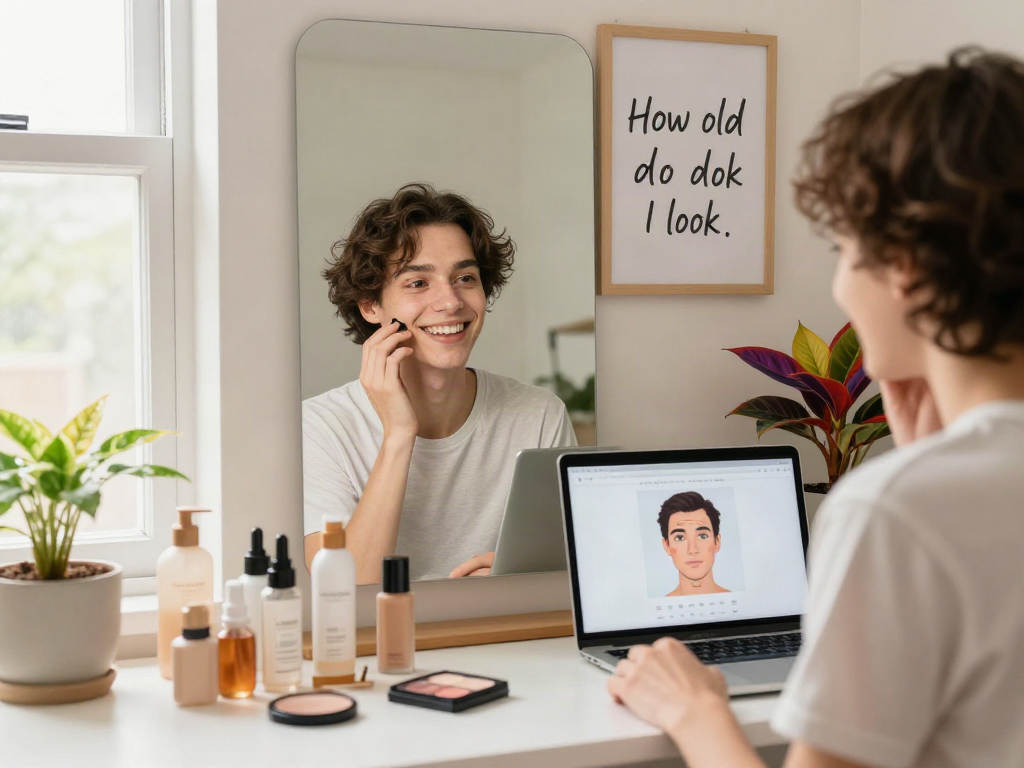
Understanding the Attractive Test: What It Is and How It Works
The concept of attractiveness is deeply rooted in human psychology and societal standards. Understanding how attractiveness is assessed can offer insights into personal perception and social dynamics. An attractive test evaluates various facial features to provide a score that reflects one's perceived beauty based on certain criteria. These tests leverage artificial intelligence and algorithmic analysis to deliver a quantitative measure of attractiveness.
Defining the Attractive Test and Its Purpose
The attractive test serves as a tool for self-evaluation, allowing individuals to gain insights into how their physical appearance aligns with contemporary beauty standards. The primary purpose of such tests is not only to provide feedback on one's looks but also to encourage self-reflection and boost self-esteem. By understanding how attractiveness is perceived, individuals can make informed choices about their personal grooming, style, and overall presentation.
How AI Technology Enhances the Experience
Advancements in AI technology have revolutionized the way attractiveness tests are conducted. These AI algorithms analyze numerous facial features, including symmetry, golden ratio proportions, and other aesthetic metrics that contribute to perceived beauty. By utilizing deep learning techniques, the systems can adjust and improve over time, providing more accurate and personalized results. This technology allows for an instant evaluation process, making it easy for users to upload a photograph and receive immediate feedback.
Common Misconceptions About Attractiveness Tests
Despite the growing popularity of attractiveness tests, several misconceptions persist. One prevalent myth is that these tests can determine someone’s overall worth or potential. It's crucial to understand that the results are based on a specific set of criteria that might not align with personal values or individual uniqueness. Furthermore, such tests often focus solely on physical appearance, overlooking other important traits like personality, intelligence, and kindness, which are significant factors in attraction.
Setting Up Your Attractive Test: Best Practices
Participating in an attractiveness test can be a revealing experience, but preparation plays a key role in obtaining reliable results. Various platforms offer these tests, each with distinct features and methodologies. Therefore, selecting the right platform tailored to your needs is vital.
Selecting the Right Platform for Your Needs
When choosing an attractiveness testing platform, consider the following aspects:
- User Interface: The platform should be user-friendly and easy to navigate.
- AI Capabilities: Evaluate the technology and algorithms used for analysis. Advanced systems will provide more comprehensive insights.
- Privacy Policies: Check how your data is handled. Ensure that the platform prioritizes user privacy and data protection.
Preparing for Your Test: Tips and Tricks
To enhance the accuracy of your results, follow these preparation tips:
- Choose the Right Photo: Use a clear, well-lit image where your face is unobstructed.
- Relax Your Expression: A neutral expression often yields the best results, as over-exaggerated features can skew the analysis.
- Avoid Filters: Use a raw, unedited photo to ensure the test captures your true features.
Understanding Privacy and Data Usage
Privacy is a critical consideration when using online tools to assess attractiveness. Be aware of what data the platform collects and how it is used. Ensure that your images and personal information are not stored or shared without your consent. Opt for platforms that clearly outline their data usage policies to safeguard your privacy.
Interpreting Your Results: What Do They Mean?
After completing an attractiveness test, understanding the results can provide valuable insights into your appearance and self-perception. The scoring system typically ranges from low to high scores, indicating varying degrees of attractiveness based on established criteria.
Scoring System Explained: Understanding Your Attractiveness Score
The score you receive from an attractiveness test is influenced by several factors, including facial symmetry, proportions, and specific features like eye position and lip fullness. Each of these components contributes to the overall score, with higher scores indicating a closer alignment with conventional beauty ideals.
How to Use Feedback for Personal Growth
Receiving feedback from an attractiveness test can be a powerful tool for personal development. Rather than viewing the score as a definitive judgment, consider it a starting point for self-improvement. Focus on aspects of your appearance that you can enhance, such as skincare routines, hairstyle changes, or makeup techniques. Utilizing this data positively can enhance your confidence and self-esteem.
Common Reactions to Your Results: Navigating Emotional Responses
It’s natural to experience mixed emotions upon receiving your results. Some may feel empowered and motivated, while others might experience disappointment or self-doubt. Acknowledging these feelings is essential. Remember, beauty is subjective, and your worth extends far beyond a numerical score. Engaging with supportive communities or seeking advice can help you process your emotions constructively.
Comparing Attractive Tests: Finding the Best Option for You
With numerous platforms offering attractiveness tests, comparing features and user experiences can be beneficial in selecting the right test for your needs. Each platform offers unique capabilities, making it essential to analyze your options.
Review of Popular Attractiveness Testing Platforms
Several popular attractiveness testing platforms have emerged, including:
- Rate My Face: Provides a detailed analysis based on various facial metrics.
- The Face Report: Focuses on facial landmarks and provides a comprehensive score.
- Fotor: Includes additional features such as skin quality assessment and photo editing tools.
Analyzing Strengths and Weaknesses of Different Tests
Each platform comes with its own set of pros and cons. For instance, while some tests offer a more scientific approach with detailed feedback, others may emphasize more fun, artistic interpretations of beauty. Consider what aligns best with your expectations and goals for taking the test.
Choosing the Right Fit for Your Personal Journey
Ultimately, the best attractiveness test will depend on your personal goals. Are you seeking to boost self-confidence, or are you curious about beauty standards? Making an informed choice will ensure that your experience is both enlightening and enjoyable.
Future Trends in Attractiveness Testing: What to Expect in 2026 and Beyond
As technology evolves, so too will the methods and perceptions surrounding attractiveness testing. The future promises innovative tools and more personalized approaches to beauty evaluation.
Emerging Technologies Impacting Self-Assessment
Emerging technologies such as augmented reality (AR) and advanced facial recognition will likely play a significant role in the development of attractiveness tests. These tools can provide real-time feedback, allowing users to visualize changes and enhancements dynamically.
Potential Ethical Considerations in Beauty Standards
As we advance in the field of attractiveness testing, ethical considerations become increasingly crucial. The portrayal of beauty standards can heavily influence societal perceptions, often leading to unrealistic expectations and pressures. It’s important to foster conversations around these issues to promote a more inclusive understanding of beauty.
How Societal Views on Attractiveness May Shift
Societal views on attractiveness are ever-evolving. Factors such as cultural diversity and body positivity movements are shaping a new narrative that encourages acceptance of various beauty forms. Future attractiveness tests may reflect these changes, integrating broader definitions of beauty that celebrate uniqueness over conformity.
Frequently Asked Questions
What are the factors that influence attractiveness?
Attractiveness is influenced by several factors, including facial symmetry, skin tone, grooming, and even personality traits such as confidence and kindness. These elements combine to create an overall impression, which can vary widely across different cultures and personal preferences.
How accurate are AI-based attractiveness tests?
AI-based attractiveness tests utilize algorithms designed to assess various facial features. While they can provide valuable insights, the accuracy may vary based on the data and algorithms used. It’s important to view these tests as one perspective among many rather than an absolute measure of beauty.
Can attractiveness tests help with self-esteem?
Yes, when approached positively, attractiveness tests can help enhance self-esteem. They can provide constructive feedback that encourages individuals to focus on their strengths and improvements. However, it's vital to maintain a balanced viewpoint and not let scores solely define self-worth.
What should I do if I don’t agree with my test results?
If you find yourself disagreeing with your results, it's important to remember that beauty is subjective. Use the feedback as a conversation starter about your self-image rather than a definitive judgment. Engaging with trusted friends or professionals can provide balanced perspectives.
Are there any risks associated with using attractiveness tests?
Yes, there are potential risks, including a negative impact on self-esteem and body image. Over-reliance on external validation from these tests can distort personal perceptions of beauty. It's crucial to approach these tools with a healthy mindset and supplement them with self-acceptance and self-love.