The Science Behind Age Perception
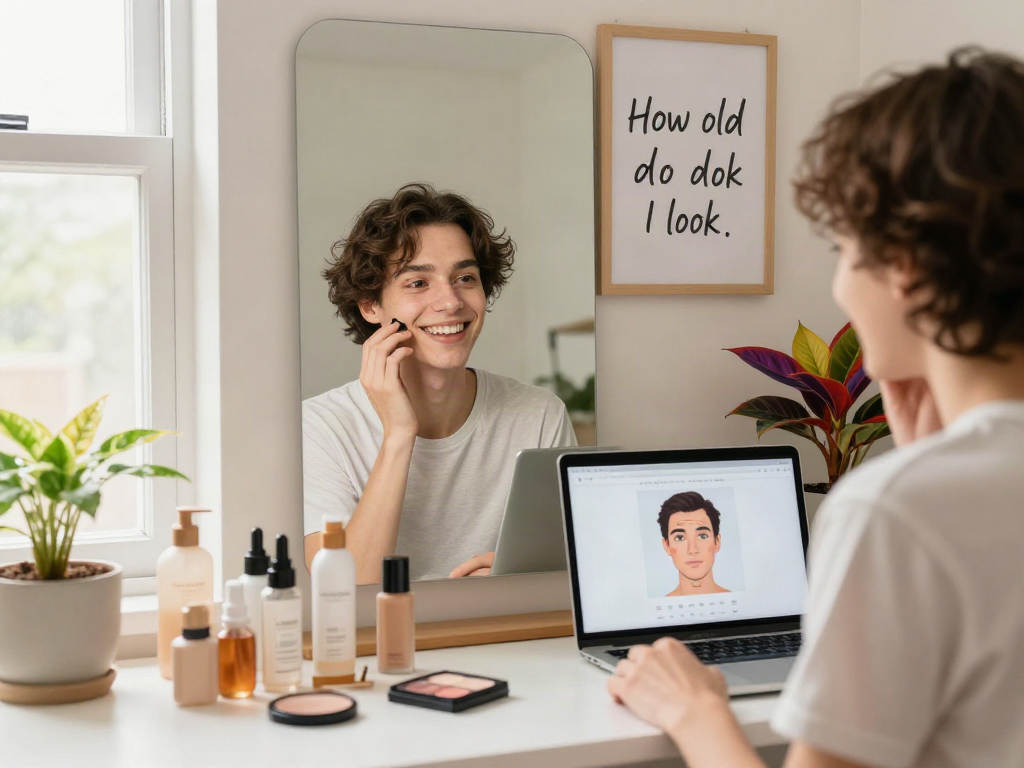
Age perception is a fascinating blend of biology, culture, and psychology. People may seem younger or older than their actual age based on various factors, including lifestyle choices and genetics. As we delve into the question, how old do i look, we find that our appearance is intricately linked to societal standards and scientific principles.
Understanding how old do I look? Factors Influencing Age Perception
When asking "how old do I look?", many do not realize that age perception is influenced by a myriad of factors, such as facial structure, skin condition, and even hair color. Studies indicate that individuals often base their age estimates on prominent facial features, which can significantly distort perceptions. For instance, deep facial wrinkles or gray hair may signal age to onlookers, even if the individual is relatively young in biological terms.
The Role of Genetics and Lifestyle in Age Estimation
Genetics play a pivotal role in determining how we age. Some people naturally have skin that retains elasticity longer, while others may experience premature aging due to genetic predispositions. Lifestyle choices such as diet, exercise, and sun exposure also contribute to the aging process. For example, a diet rich in antioxidants can help protect the skin from aging, while smoking and excessive alcohol consumption can accelerate it.
How Facial Features Contribute to Perceived Age
Facial features are critical indicators in age estimation. The presence of fine lines, the prominence of cheekbones, and the overall symmetry of the face are evaluated subconsciously. A youthful face typically displays a smooth, even skin tone and plumpness, while age is often associated with thinning skin and sagging features. Understanding these markers can help individuals make informed decisions about their appearance.
How to Use AI Tools to Estimate Your Age
As technology advances, AI tools have emerged as innovative solutions in estimating age. These tools leverage complex algorithms to analyze facial features and provide a biological age estimate. Many enthusiasts are now turning to such applications when they ponder, "how old do I look?" which often leads them to a fascinating realm of digital self-assessment.
Top AI Applications for Age Estimations: Reviews and Comparisons
There are numerous applications available today that allow users to upload photographs and receive an age estimation. Applications like FaceAge.ai, Fotor, and BeautyPlus have gained significant popularity. Each of these tools uses different methodologies and datasets, leading to variations in accuracy. A comparison of these tools shows that while they all aim to estimate age, the underlying technology and user experience can be quite distinct. For instance, FaceAge.ai employs advanced AI and privacy-focused measures, while Fotor emphasizes user convenience without requiring sign-ups.
Step-by-Step Guide to Uploading Your Photo for Age Analysis
To utilize these AI age estimation tools, follow these simple steps:
- Select a reputable age estimation application.
- Register or continue as a guest if no sign-up is needed.
- Upload a clear, well-lit photo of your face.
- Allow the AI to analyze your features and provide an age estimate.
- Review the feedback and consider how it aligns with your self-perception.
Most apps are user-friendly and provide straightforward instructions, making age estimation accessible to everyone.
Understanding the Algorithms Behind Age Estimation Tools
Understanding how these AI tools function adds depth to their use. Most employ convolutional neural networks (CNNs)—a type of deep learning model adept at image recognition—to assess facial features. By analyzing thousands of images of individuals across various age groups, these systems learn to associate specific physical traits with corresponding ages. As this technology progresses, expect even more refined accuracy in age estimations.
Common Myths About Age Estimation
As the interest in estimating one’s age grows, so do the myths surrounding the accuracy and implications of these tools. There is a pressing need to clarify these misconceptions to empower users with realistic expectations.
Debunking Misconceptions: Does Lifestyle Really Matter?
A prevalent myth is that age estimation tools cannot account for lifestyle factors. In reality, many modern applications incorporate lifestyle markers into their algorithms. For instance, constant sun exposure is recognized as a significant contributor to premature aging, and this can be reflected in the analysis. Therefore, understanding how these factors influence perceptions can lead to more meaningful interactions with age estimation tools.
Why Age Estimation Tools Are More Accurate Than You Think
Contrary to popular belief, age estimation tools have made substantial advancements in accuracy. Thanks to machine learning and continual data input, these tools refine their estimations by learning from user feedback and results. What might have once been seen as a novelty has now evolved into sophisticated technology that offers surprisingly reliable insights.
Age Perception vs. Actual Age: What You Need to Know
It's essential to distinguish between perceived age and actual age. Sometimes, factors like stress, fatigue, and emotional well-being can skew how others perceive our age. While technology can provide an estimate, it doesn't account for these emotional and psychological factors. Considering both perceived and actual age can lead to healthier self-reflection and personal growth.
Enhancing Your Appearance Based on Age Feedback
If you find yourself pondering "how old do I look?" and receive insights from AI tools, it's a great opportunity to explore ways to enhance your appearance based on feedback. Here are some actionable tips:
Skincare Routines for Different Age Perceptions
Skincare is paramount in influencing how old you look. Tailor your routine based on your perceived age. If the tools suggest you look older, consider integrating products with retinoids and hyaluronic acid for their anti-aging properties. Conversely, if you’re perceived as younger, focus on maintaining that glow with lightweight moisturizers and sun protection.
Makeup Tips to Present Your Best Age
Makeup can work wonders in crafting your ideal age presentation. Softer colors can create a youthful look, while more dramatic shades may evoke a more mature appearance. Understanding your skin's tone and experimenting with different styles can help you find what works best for how you want to present yourself.
Clothing and Style Choices that Influence Perceived Age
What you wear greatly affects how others perceive your age. Tailored clothing tends to give a more sophisticated appearance, while casual styles can lend a youthful vibe. Being mindful of your wardrobe can help align your outward appearance with your desired self-image.
The Future of Age Estimation Technology
The world of age estimation is rapidly evolving, and the coming years promise exciting advancements. The integration of AI in this context will undoubtedly reshape perceptions of age and beauty.
Emerging Trends in AI Age Estimation Tools for 2026
As we approach 2026, we can expect tools to not only provide age estimations but also to analyze factors influencing the perception of age comprehensively. New algorithms will likely incorporate data from wider demographics and improved facial recognition technologies, paving the way for hyper-accurate predictions.
How Virtual Reality Will Change Perceptions of Age
Virtual reality (VR) technology holds great promise in the realm of age perception. Imagine stepping into a virtual world where you could see yourself at different ages or even experience aging in real-time. This immersive experience could profoundly impact self-acceptance and the societal understanding of aging.
Expert Predictions on Age Estimation in the Next Decade
Experts predict that as societal standards shift, the tools for age estimation will expand beyond mere appearances. They could also reflect health metrics, genetic predispositions, and emotional well-being, creating a holistic view of aging that integrates technology, biology, and psychology.
What’s Next for Personal Grooming and Age Reflection?
The future of personal grooming will be closely tied to the insights provided by age estimation tools. As people become more aware of their perceived age, they will likely seek tailored grooming products that cater specifically to their needs and concerns. This trend could lead to a more personalized approach to beauty and grooming, emphasizing the importance of self-care and confidence.