
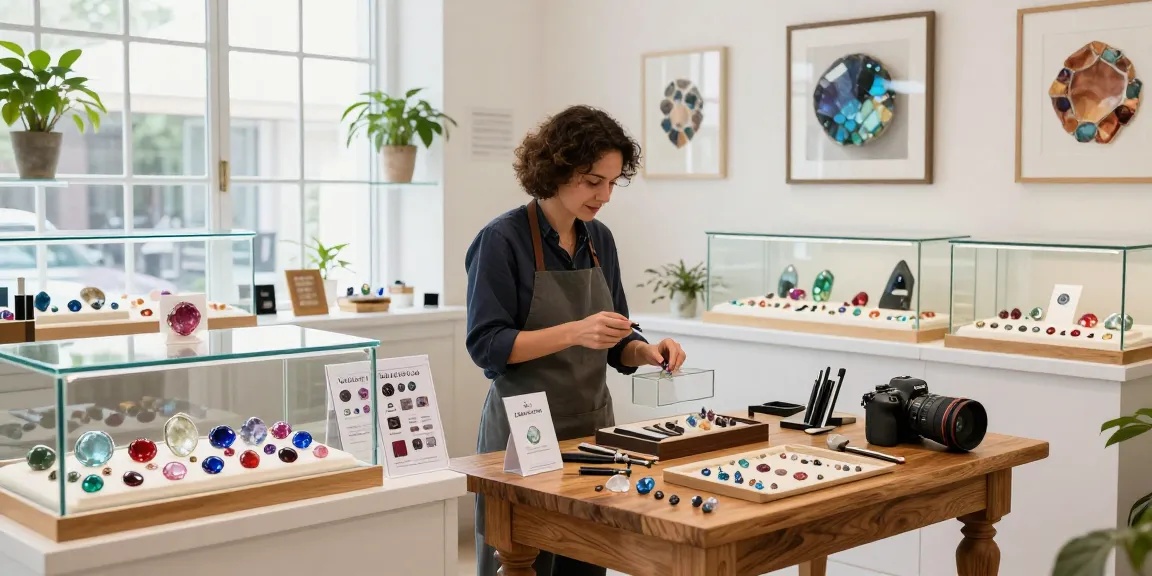
Understanding Gemstone Quality and Value
When it comes to purchasing gemstones, understanding quality and value is paramount. The gemstone market is filled with various types of stones, each exhibiting different attributes, which can significantly impact their price and desirability. For collectors, investors, and enthusiasts, having a comprehensive knowledge of these factors is crucial to making informed decisions and investments.
What Makes a Quality Gemstone?
A quality gemstone is primarily determined by its color, clarity, cut, and carat weight, a combination often referred to as the “Four Cs.” Color refers to the hue, saturation, and tone of the gemstone. Clarity relates to the presence of inclusions or blemishes. The cut influences how light interacts with the gem, thus affecting its brilliance and value. Finally, carat weight measures the size of the gemstone, with larger stones typically being more valuable. Furthermore, the origin of the gemstone can also impact its quality and price; stones from renowned locations tend to fetch higher prices due to their perceived rarity and prestige.
Common Misconceptions About Gemstone Pricing
Many buyers fall prey to misconceptions surrounding gemstone pricing. One prevalent myth is that higher prices always indicate better quality. While price is often correlated with quality, it is not an absolute measure. Factors such as market demand, historical significance, and even marketing strategies can cause discrepancies in pricing. For instance, some gemstones may be marketed as rare and thus carry a premium price tag, despite having subpar quality. Additionally, price fluctuations can occur based on economic conditions, making it essential for buyers to develop a deep understanding of the market.
Evaluating Gemstone Certifications and Ratings
Certifications from reputable grading laboratories play a crucial role in assessing gemstone quality. Organizations like the Gemological Institute of America (GIA) and the American Gem Society (AGS) provide detailed grading reports that evaluate the quality of a gemstone based on recognized criteria. Buyers should always seek out gemstones that come with such certifications as they provide an unbiased assessment of quality. Moreover, familiarity with different grading systems can help buyers navigate through the vast market more effectively.
Finding Reliable Gemstone Merchants
Identifying a reliable gemstone merchant is a critical step for anyone looking to invest in gemstones. A trusted merchant not only offers genuine products but also provides information that can help you make informed choices. When exploring options, https://www.mygemspot.com provides comprehensive insights into certified gemstone vendors, ensuring that buyers can shop with confidence.
How to Research Gemstone Retailers Effectively
Researching gemstone retailers effectively requires a systematic approach. Start by checking their online presence, including their website and social media platforms, to gauge their reputation and customer service. Reading online reviews on platforms such as Google or Yelp can provide valuable insights into their business practices. Additionally, consider whether the retailer offers guarantees or return policies, as these can indicate their confidence in the quality of their products.
Red Flags to Look for in Online Gemstone Shops
While many online shops are legitimate, some may engage in deceptive practices. Look out for red flags such as lack of certifications, vague product descriptions, or images that seem poorly executed. Be wary of prices that appear too good to be true, as they often are. A reliable merchant will provide clear, high-resolution images and comprehensive details about their gemstones.
Utilizing Reviews and Testimonials for Better Choices
Reviews and testimonials serve as a critical resource when assessing the reliability of gemstone merchants. Pay attention to both overall ratings and specific feedback about product quality and customer service. Customers often share their experiences, which can help you understand what to expect. Seek out businesses with a strong track record of positive reviews and be cautious of merchants with numerous complaints or unresolved issues.
Effective Negotiation Strategies for Buying Gemstones
Negotiation is an important skill when purchasing gemstones, as prices are often flexible. Understanding market pricing and demonstrating knowledge about the gemstone can empower buyers during negotiations. Armed with information about the specific stone, its rarity, and market demand, you can make a strong case for a reasonable price.
Understanding Pricing Structures in the Gem Market
The gemstone market operates on various pricing structures, influenced by factors such as rarity, market demand, and quality assessments. Familiarizing yourself with these structures can provide a significant advantage in negotiations. For instance, colored gemstones often exhibit a wider price range compared to diamonds, which have more standardized pricing guides. Understanding these nuances can help in framing your offers when dealing with merchants.
Key Questions to Ask Your Gemstone Seller
When engaging with a gemstone seller, having a set of key questions can facilitate more productive conversations. Inquire about the gemstone’s origin, whether it has been treated, and ask for its certification. Understanding the seller’s policies regarding returns and exchanges can also provide further clarity. Moreover, don’t hesitate to ask for additional information that can help in making your decision, such as documentation supporting the gemstone’s quality claims.
Finalizing Purchases: Making Informed Decisions
Finalizing your purchase should never be rushed. Take time to review all provided information, including certifications and return policies. Ensure that any agreements made during negotiation are documented. Making an informed decision not only leads to a satisfying purchase but also fosters a long-term relationship with the merchant.
Creating a Gemstone Collection: Best Practices
Building a gemstone collection can be a rewarding experience, allowing enthusiasts to explore their passion for these beautiful stones. However, it is essential to approach this endeavor with a strategic mindset. Understanding which types of gemstones to collect, how to care for them, and how to display them can significantly enhance your collection.
Choosing Types of Gemstones for Your Collection
When selecting gemstones, consider your preferences, budget, and the purpose of your collection. Some collectors focus on specific types, such as colored gemstones or diamonds, while others prefer to have a diverse array. Researching the trends in gemstone collecting can also guide your choices, as certain stones might become more popular or desirable over time.
Storing and Caring for Your Gemstone Collection
Proper storage and care are crucial for maintaining the integrity of your gemstone collection. Store gemstones in a cool, dry place, and consider individual compartments to avoid scratches. Regular cleaning is essential, but ensure you use appropriate methods for each type of stone, as some may be sensitive to specific cleaning agents. Investing in high-quality storage solutions can help you preserve both the beauty and value of your collection.
Displaying Your Gems: Tips for Aesthetic Appeal
Displaying your gemstone collection can transform it into an art piece. Use display cases that protect the stones while showcasing their beauty. Consider utilizing lighting to enhance the colors and details of each gemstone. Displaying stones with complementary colors together can create visually appealing arrangements that attract attention and admiration from guests.
Future Trends in the Gemstone Market for 2026
As the gemstone market evolves, staying informed about future trends can help collectors and buyers make well-timed decisions. Emerging gemstone types, sustainability practices, and technological advances are shaping the future landscape of the industry.
Emerging Gemstone Types and Popularity
New gemstone varieties continue to emerge, with some gaining popularity due to their unique characteristics and rarity. Stones such as lab-created gems, which are chemically identical to natural stones but produced in a controlled environment, are becoming increasingly accepted. Understanding these trends will help focus your collection on valuable and sought-after stones.
The Impact of Eco-Friendly Practices on Gem Sourcing
Sustainability is increasingly influencing consumer preferences in the gemstone market. More buyers are seeking ethically sourced gems, pressuring retailers to adopt eco-friendly practices. This shift is prompting merchants to provide detailed information regarding the origins of their stones and the sustainability measures they have implemented. Collectors should pay attention to these practices, as they can enhance the value of their collections in the eyes of conscious consumers.
Technological Advances in Gemstone Trading
Technological advancements are transforming the gemstone trading process. Innovations such as blockchain technology provide buyers and sellers with transparent, secure transactions, enabling better tracking of gemstone provenance. These changes ensure that buyers can verify the authenticity and ethics behind their purchases, leading to greater trust within the market.
What Are the Latest Trends in Sustainable Gemstones?
Alongside eco-friendly practices, trends toward sustainable gemstones are gaining traction. These include lab-grown diamonds and gemstones that minimize environmental impact during the extraction process. As consumer awareness increases, incorporating these sustainable options into collections may not only appeal to buyers but also align with global sustainability goals.