
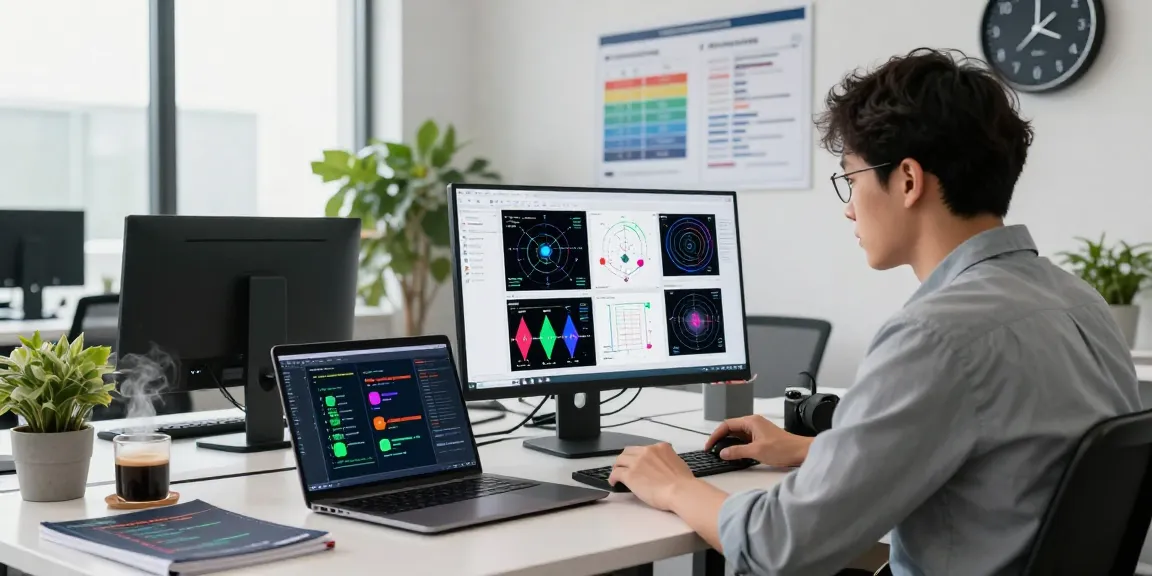
Understanding the Basics of AI Detectors
In an age where artificial intelligence is revolutionizing various industries, the mechanism of AI image detection has become critically important. An AI image detector is a specialized tool designed to analyze images and determine whether they were generated by AI algorithms or created by human hands. As these technologies evolve, understanding the underlying principles behind them can help users make informed decisions in fields like education, journalism, and content creation. When exploring options, ai detector provides comprehensive insights into the authenticity of images.
What is an AI Detector?
An AI detector is a software tool that leverages artificial intelligence and machine learning techniques to assess the origin of images. These detectors are increasingly used in various sectors, including security, media verification, and quality control, to ascertain the authenticity of visual content.
The Technology Behind AI Detection
At its core, AI detection employs neural networks, specifically convolutional neural networks (CNNs), which are particularly adept at processing visual data. These networks analyze images by detecting patterns, textures, and other subtle features, making it possible to distinguish between AI-generated images and those created by humans.
Common Applications of AI Detectors
- Content Moderation: Platforms can use AI detectors to eliminate inappropriate or manipulated images.
- Intellectual Property Protection: Detecting unauthorized use of AI-generated images helps protect creators’ rights.
- Forensic Analysis: In law enforcement, these tools help investigate fraud or digital tampering.
How AI Detectors Work: Key Mechanisms
Understanding how AI detectors function is crucial for optimizing their use. These tools utilize advanced algorithms to process images efficiently, providing users with insights that are vital for verification purposes.
Image Analysis Techniques
AI detectors utilize various image analysis techniques, including pixel-level analysis, edge detection, and pattern recognition. These techniques help in identifying discrepancies that may indicate whether an image has been artificially created or altered.
Identifying AI Patterns in Images
AI-generated images often display unique artifacts or patterns that can be identified through deep learning methods. For instance, the distribution of colors and shapes in an AI-generated image can differ significantly from those in authentic photos, enabling detectors to flag potential fakes.
Displaying Results: Probability Scores and Confidence Levels
Upon completing an analysis, AI detectors typically present results in the form of probability scores—a numerical value indicating the likelihood that an image is AI-generated. Accompanying these scores is often a confidence level, which gives users insight into the reliability of the detection.
Choosing the Right AI Detector for Your Needs
Selecting the right AI detector requires careful consideration of several factors, ensuring that it meets the specific needs of the user or organization.
Factors to Consider When Selecting an AI Detector
- Accuracy: Look for tools with a proven track record in identifying AI-generated images accurately.
- User Interface: A straightforward, user-friendly interface can expedite the analysis process.
- Speed: Depending on the volume of images, speed can be a crucial factor in selecting the right tool.
Comparing Free vs. Paid AI Detection Tools
While there are numerous free AI detectors available, paid versions may offer advanced features, such as batch processing and greater accuracy. Users should weigh the benefits of additional features against their specific needs and budget constraints.
Top Features of Effective AI Detectors
- Multi-Format Support: The ability to analyze various image formats such as JPG, PNG, and GIF is essential.
- Detailed Reporting: Comprehensive reports that include metadata and potential issues enhance trust in the results.
- Real-Time Analysis: Instant results can be critical for users needing to verify images on-the-go.
Maximizing the Accuracy of Your AI Detector
While AI detectors are sophisticated tools, users play a crucial role in ensuring accurate results by following best practices when using these systems.
Best Practices for Image Uploads
To maximize the effectiveness of an AI detector, users should upload high-quality images. This includes ensuring that the images are well-lit, in focus, and without unnecessary compression artifacts, as these factors can significantly influence the detection accuracy.
Frequently Encountered Issues and How to Solve Them
Common issues when analyzing images include false positives and incomplete analyses. Users should be aware of these pitfalls and, when possible, cross-reference results with other detection tools to enhance accuracy.
Understanding Confidence Scores and What They Mean
Confidence scores are essential for interpreting the results of an AI detector. A higher score typically indicates greater reliability in the detection process, while lower scores should prompt further investigation or the use of additional tools.
The Future of AI Image Detection: Trends for 2026 and Beyond
As technology advances, so too will the capabilities of AI image detectors. Understanding these trends can help users stay ahead in this rapidly evolving landscape, ensuring they are equipped with the best tools and practices.
Emerging Technologies in AI Detection
Future AI detectors will likely incorporate more sophisticated machine learning models, enabling them to adapt to new tactics employed by generative algorithms. Furthermore, integration with augmented reality (AR) and virtual reality (VR) could create immersive verification environments.
Potential Legal Implications of AI Detection
As the use of AI image detectors becomes more prevalent, legal implications regarding digital rights and content creation will arise. Users should remain informed about the evolving legal landscape to navigate these complexities effectively.
Preparing for Changes in AI Detection Accuracy
With the introduction of more advanced generative models, it’s crucial for users to anticipate changes in detection accuracy and adapt their strategies accordingly. Routine training and updates for detection algorithms will be essential to maintain reliability.
What image formats does the AI detector support?
AI detectors typically support a variety of popular image formats, including JPG, PNG, WebP, and GIF. Ensuring that your images are in these formats can streamline the detection process and improve accuracy.
How to interpret the results from an AI detector?
Interpreting results involves understanding probability scores and confidence levels. A higher probability score suggests a greater likelihood of the image being AI-generated, while the confidence level indicates the reliability of that score.
Is it possible to get API access for your AI detector?
Many AI detection tools offer API access, allowing businesses and developers to integrate detection capabilities into their applications or workflows. Checking the documentation for each tool can provide specific details on availability and usage.
What is the accuracy rate of AI image detection tools?
The accuracy rate of AI image detection tools varies significantly depending on the underlying technology and the algorithms used. Many advanced tools claim accuracy rates exceeding 90%, but users should validate these claims through testing and reviews.
Can I perform multiple checks with the AI detector simultaneously?
Most AI detectors support batch processing, enabling users to perform multiple checks simultaneously. This feature is particularly useful for users dealing with large volumes of images, significantly enhancing efficiency.