Understanding AI-Generated Image Detection Technologies
In today's digital landscape, the proliferation of AI-generated images has led to increasing concerns regarding the authenticity of visual content. AI-generated image detection technologies are essential tools designed to address these challenges, ensuring that individuals and organizations can distinguish between genuine and synthetic media. As misinformation can easily spread and manipulate perceptions, understanding and utilizing AI-Generated Image Detection becomes paramount. When exploring options, AI-Generated Image Detection provides comprehensive insights into the tools available for distinguishing authentic content from artificial creations.
What is AI-Generated Image Detection?
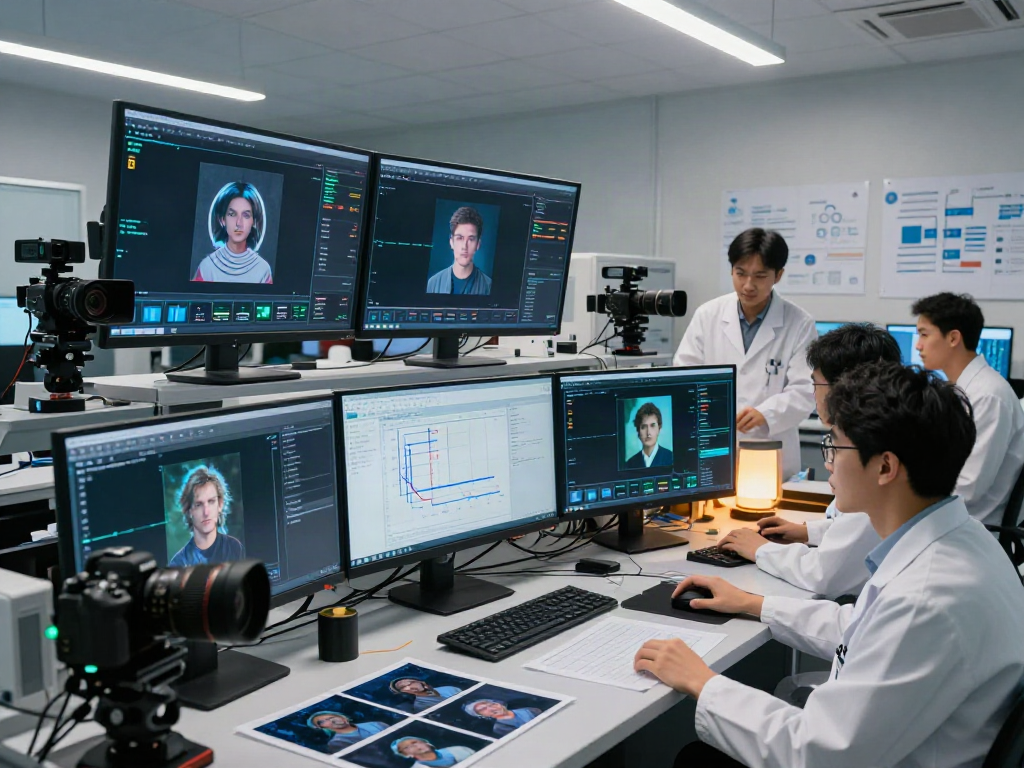
AI-generated image detection refers to a set of algorithms and technologies developed to identify images created by artificial intelligence. These images can range from deepfakes to entirely synthetic visuals produced by AI models like DALL-E, Midjourney, and others. The primary goal of these detection systems is to analyze intricate patterns, pixel distortions, and metadata to ascertain whether an image was generated by human creativity or machine learning processes.
Importance of Image Authenticity in Digital Media
In the era of social media, image authenticity plays a crucial role in shaping public opinion and trust. With the rise of AI capabilities, it becomes increasingly difficult to verify the source and veracity of visual content. The ability to confirm whether an image is authentic can help combat misinformation, protect intellectual property, and preserve the integrity of media outlets. By ensuring that only legitimate images circulate, organizations can foster trust among their audience and stakeholders.
Key Technologies Behind Detection Algorithms
Various technologies and methodologies underlie AI-generated image detection. Some of the most significant include:
- Convolutional Neural Networks (CNNs): These specialized neural networks are adept at analyzing image data, making them fundamental in detecting patterns unique to AI-generated images.
- Deep Learning Techniques: By training on vast datasets, deep learning models can recognize subtle differences between real and synthetic images, improving detection accuracy.
- Adversarial Neural Networks: In this two-network system, one generates images while the other attempts to detect them, enhancing the effectiveness of detection algorithms through continuous learning.
Common Challenges in Detecting AI-Generated Images
Despite the advances in detection technologies, several challenges persist in the realm of identifying AI-generated images. These challenges must be addressed to enhance detection efficacy.
Identifying Deepfake and Manipulated Media
Deepfake technology has advanced rapidly, making it increasingly challenging to discern between real and manipulated media. Many deepfake methods employ high-quality rendering techniques that can deceive even the most advanced detection tools. Furthermore, the increasing sophistication of AI means that the detection algorithms must continuously be updated to keep pace with new generation techniques.
Overcoming Limitations of Current Detection Tools
While existing detection tools provide valuable services, they often struggle with specific limitations. For instance, many algorithms may incorrectly flag genuine images as synthetic or fail to recognize subtle manipulations in AI-generated content. Identifying these weaknesses is essential for developing more robust detection technologies moving forward.
Misconceptions About AI Detection Capabilities
There are numerous misconceptions regarding the capabilities of AI image detection tools. One common belief is that they can achieve 100% accuracy in differentiating between real and AI-generated images. In reality, while detection technology is improving, no system is infallible. Understanding the limitations and capabilities of these tools is crucial for users who rely on them for media verification.
Best Practices for Implementing AI Image Detection
To effectively leverage AI-generated image detection technologies, organizations must adopt best practices that ensure optimal performance and reliability.
Integrating Detection Tools into Media Workflows
Incorporating detection tools within existing media workflows can streamline the verification process. This involves training team members on the use of these tools and ensuring they are readily accessible during content creation and dissemination. Integrating these practices can significantly reduce the chances of disseminating misleading information.
Assessing Performance Metrics for Detection Accuracy
Organizations must regularly assess the performance metrics of their detection tools to ensure accuracy and efficiency. Metrics such as precision, recall, and F1 score are critical for evaluating the effectiveness of detection algorithms and ensuring they meet the required standards for image verification.
Real-World Application Examples in Media Industry
Several media organizations have successfully integrated AI-generated image detection into their operations. For instance, news outlets are employing these tools to verify the authenticity of images submitted by sources or found on social media. This proactive approach helps maintain journalistic standards and foster audience trust.
Future Trends in AI-Generated Image Detection for 2026
The field of AI-generated image detection is poised for significant developments in the coming years. As technology evolves, so too will the strategies and tools used to address emerging challenges in the detection landscape.
Emerging Technologies on the Horizon
Advancements in quantum computing and machine learning are expected to revolutionize AI-generated image detection. These technologies promise to enhance processing speeds and improve the complexity of analyses, enabling more accurate detections in real-time applications.
Predictions for Improved Detection Accuracy
It is anticipated that continuing improvements in detection algorithms will result in greater accuracy. By employing more sophisticated neural networks and leveraging broader datasets for training, future detection tools will likely achieve higher precision in identifying AI-generated images.
Potential Impact on Content Creation and Consumption
The evolution of AI-generated image detection will profoundly impact how content is created and consumed. As detection tools become more prevalent, content creators will be incentivized to produce authentic visuals, knowing that their work can be easily verified. This shift may lead to a renaissance in creativity and a renewed focus on originality in visual media.
Expert Insights and Case Studies on AI Detection
Insights from industry leaders and case studies provide valuable understanding into the current state and future prospects of AI-generated image detection.
Interviews with Industry Leaders in AI Technology
Conducting interviews with key figures in AI technology sheds light on their perspectives regarding the evolving landscape of AI-generated content. These conversations often reveal innovative approaches and encourage collaboration between tech developers and content creators to combat misinformation effectively.
Comparative Studies of Leading Detection Platforms
Comparative studies analyzing the effectiveness of various AI image detection platforms can guide users in choosing the right tools for their needs. These studies often highlight the differing strengths and weaknesses of each platform, providing practical insights for organizations seeking reliable solutions.
Success Stories in Media Verification Strategies
Organizations that implement successful media verification strategies demonstrate the potential of AI-generated image detection in action. For example, case studies showcasing how news agencies have reduced misinformation by employing detection tools can serve as powerful testimonials to their effectiveness.
What are the top benefits of using AI-generated image detection?
The primary benefits of AI-generated image detection include heightened authenticity verification, enhanced brand trust, protection against misinformation, and improved compliance with ethical standards in media. These advantages are crucial for organizations aiming to maintain integrity and accountability in their visual content.
How do AI image detectors work in real-time?
AI image detectors work in real-time by analyzing incoming images against a set of learned patterns and characteristics typical of AI-generated content. Utilizing techniques like edge detection and color analysis, these tools can quickly assess images and provide users with immediate feedback on their authenticity.
What are the legal implications of AI-generated media detection?
The legal implications surrounding AI-generated media detection are multifaceted. As the capacity for misinformation grows, legal frameworks may evolve to hold individuals and organizations accountable for disseminating false content. Understanding these legal aspects is critical for organizations aiming to navigate the complexities of content creation in a digital world.
Can free AI image detection tools be effective?
Many free AI image detection tools are available and can provide a reasonable level of effectiveness for casual users. However, for organizations requiring high accuracy and speed, investing in advanced platforms may be necessary. It is essential to assess the specific needs and context before choosing between free and paid solutions.
How can organizations adopt AI detection practices?
Organizations can adopt AI detection practices by conducting training sessions, integrating detection tools into existing workflows, and regularly evaluating the performance of these tools. Staying informed about industry advancements and fostering a culture of media literacy will also contribute to effective implementation.